4 Things You Should Know Before Installing a Tile Roof
Tile roofs are renowned for their durability, classic beauty, and energy efficiency, making them a popular choice for homeowners looking to enhance their property's curb appeal. They are especially prevalent in regions with warm climates, offering benefits that extend far beyond aesthetics. Before committing to a tile roof, it is essential to understand what the installation process entails and what considerations you will need to keep in mind.
1. Consider the Weight
An important aspect to consider when installing a tile roof is its weight. Tile roofs are considerably heavier than other roofing materials, which means your home must have the structural integrity to support them. If a home was not originally designed to bear this added load, reinforcement of the roof structure may be required.
The weight of tile roofing can place continuous stress on framing, trusses, and load-bearing walls. Over time, inadequate support can lead to sagging, cracking, or uneven rooflines. Evaluating the existing structure before installation helps ensure long-term stability and prevents issues that could compromise the roof’s performance or the home’s overall structural integrity.
2. Evaluate Your Climate
Tile roofs are particularly well-suited to specific climates, offering significant benefits in warm, arid, or coastal regions. Their design helps keep homes cooler by providing a natural insulation layer that reflects sunlight. In areas prone to hurricanes or high winds, certain tile options, such as concrete tiles, can offer enhanced resistance. However, in regions with frequent freeze-thaw cycles, tile roofs may be more susceptible to cracking, which can affect long-term performance.
Environmental conditions such as humidity, salt exposure, and seasonal temperature shifts all influence how tile roofing performs over time. Selecting tile types appropriate for local weather patterns helps minimize stress on the materials and supports consistent performance. Careful climate evaluation ensures the roof maintains its appearance and protective qualities under regional conditions.
3. Explore Material Options
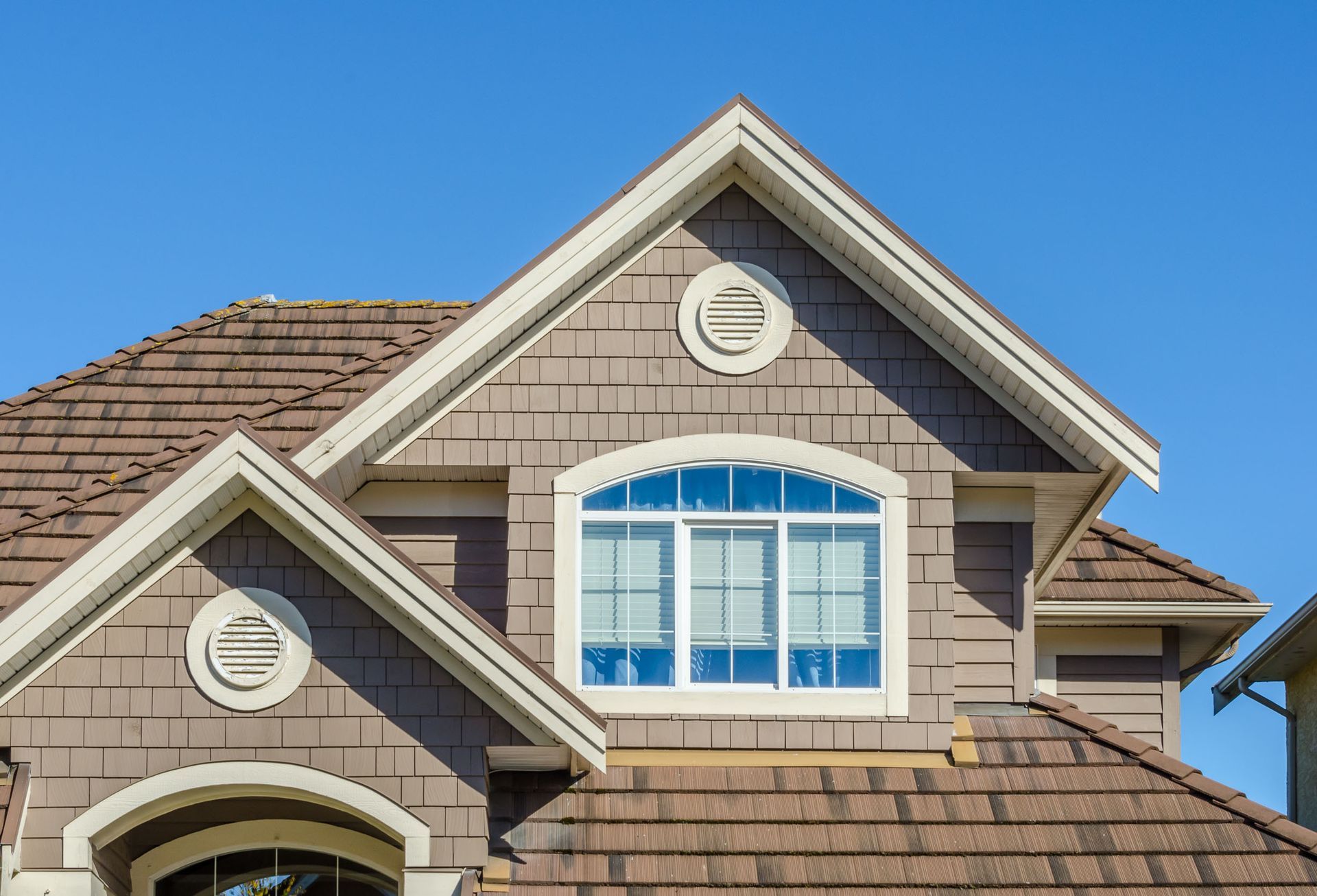
Tile roofs are available in a variety of materials, each with unique characteristics. Clay tiles offer a traditional, timeless aesthetic and exceptional durability, while concrete tiles provide versatility in styles and finishes. Slate tiles are another option, recognized for their distinctive appearance and longevity. Understanding the benefits and limitations of each material helps homeowners select a tile roof that aligns with architectural preferences and performance expectations.
According to HomeAdvisor, when properly installed and maintained, a tile roof can last anywhere from 50 to 100 years. This impressive lifespan highlights the importance of selecting materials that match environmental demands and structural capabilities. Evaluating material composition, thickness, and manufacturing standards contributes to long-lasting performance and visual consistency.
4. Be Prepared for Installation Complexity
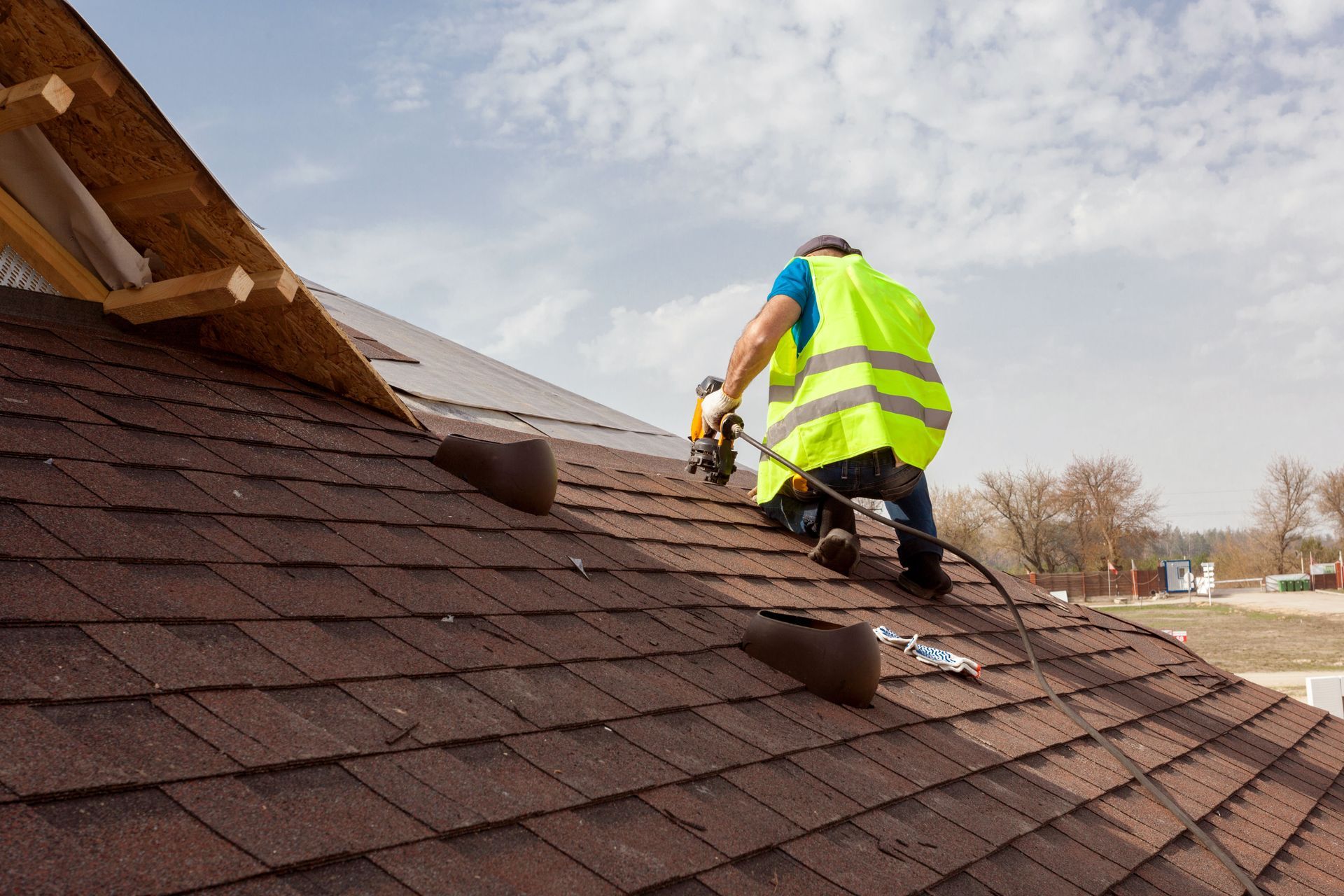
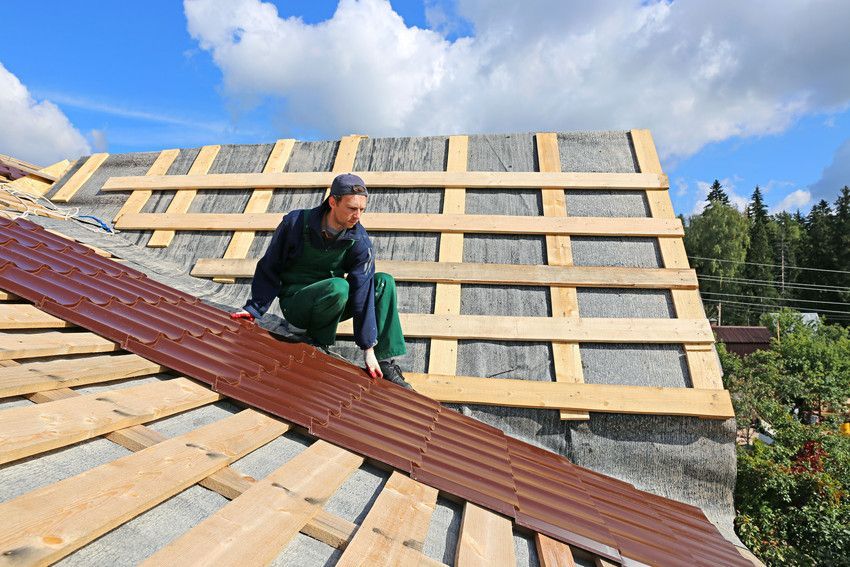
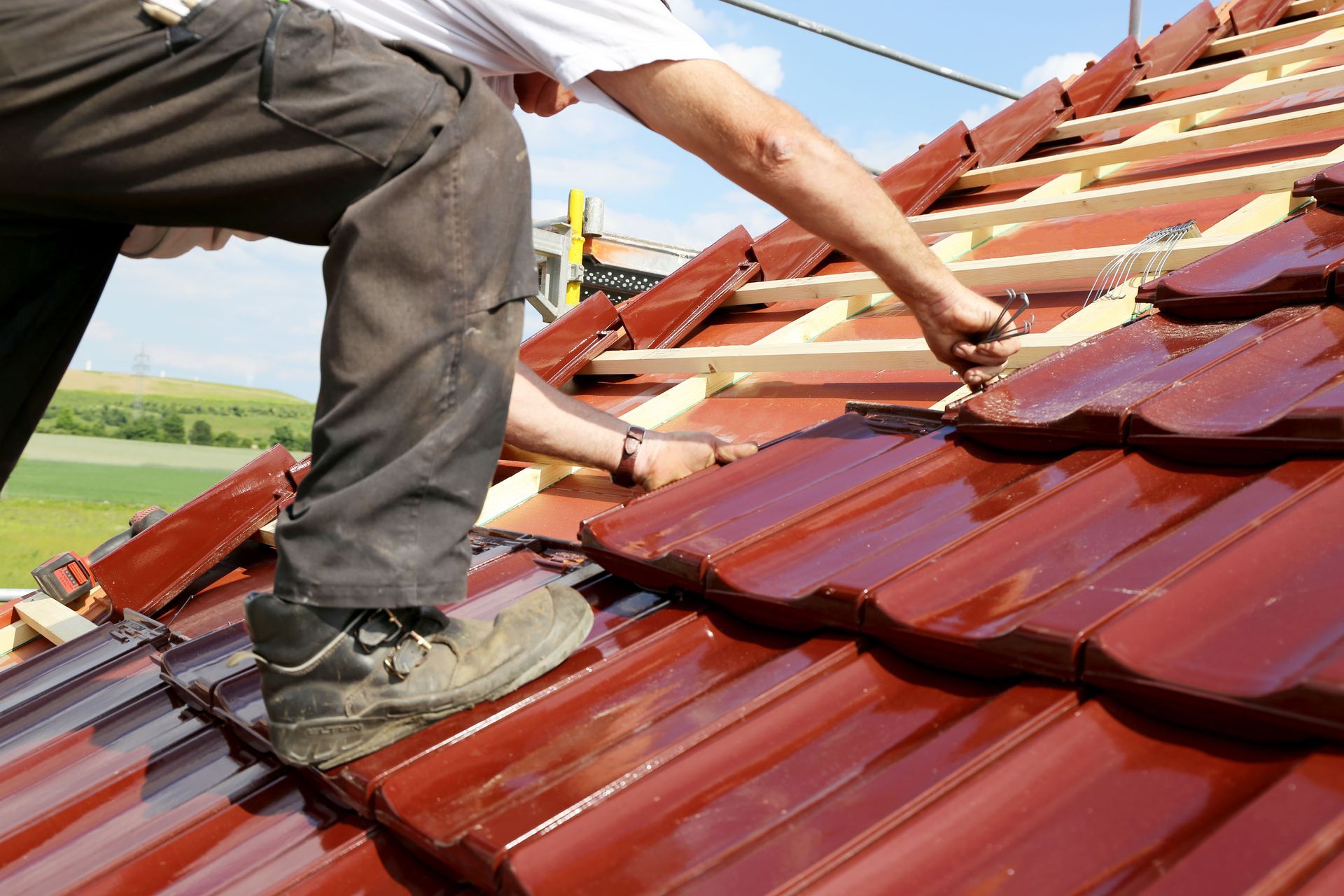
Installing a tile roof is a highly detailed process that requires precision and experience. Each tile must be properly aligned and secured to ensure weather resistance and durability. Even minor placement errors can compromise the roof’s ability to shed water effectively, leading to potential structural concerns over time. Skilled roofing professionals understand these complexities and follow precise installation standards.
The installation process also involves specialized underlayment systems, fastening methods, and ventilation considerations unique to tile roofing. Proper coordination of these elements ensures the roof performs as a unified system rather than individual components. Attention to detail during installation supports the roof’s longevity, appearance, and overall effectiveness.
Deciding to install a tile roof is a major decision that requires thoughtful planning and careful evaluation. By understanding structural requirements, environmental suitability, material options, and installation considerations, homeowners can make informed choices that enhance their home’s durability and performance. The timeless appeal, long lifespan, and energy-efficient qualities of tile roofing make it a strong option for many properties. Taking the time to assess these factors helps ensure a successful outcome that supports long-term satisfaction and reliability.
Beyond aesthetics, tile roofing systems offer natural fire resistance, improved airflow, and consistent performance under intense sun exposure, which contributes to interior comfort and roof system stability. Proper planning before installation helps ensure the roof integrates seamlessly with existing structural elements, drainage systems, and ventilation components. By thoroughly evaluating weight capacity, climate compatibility, material selection, and installation requirements, homeowners position themselves for a smoother process and more predictable outcomes. When these factors are addressed early, a tile roof can serve as a dependable protective system that maintains its appearance and function for decades, reinforcing both the home’s exterior presence and its overall structural reliability. For all of your roofing needs, contact Rodriguez Roofing today!





Share On: