4 Tips for Choosing the Perfect New Roof's Material
Choosing the right material for your new roof is a critical decision that affects not only the aesthetic of your home but also its durability and efficiency. This guide will help you navigate through the various considerations and options available to ensure you make an informed choice for your home. With so many variables to consider, from climate adaptation to aesthetic appeal, this decision is not as straightforward as it might initially seem. By exploring the multifaceted aspects of roofing materials, homeowners can find a balance between functionality, cost, and appearance. Whether you're renovating an existing home or building a new one, this comprehensive guide aims to assist you in making a choice that you'll be satisfied with for many years.
1. Assess Your Climate and Weather Conditions
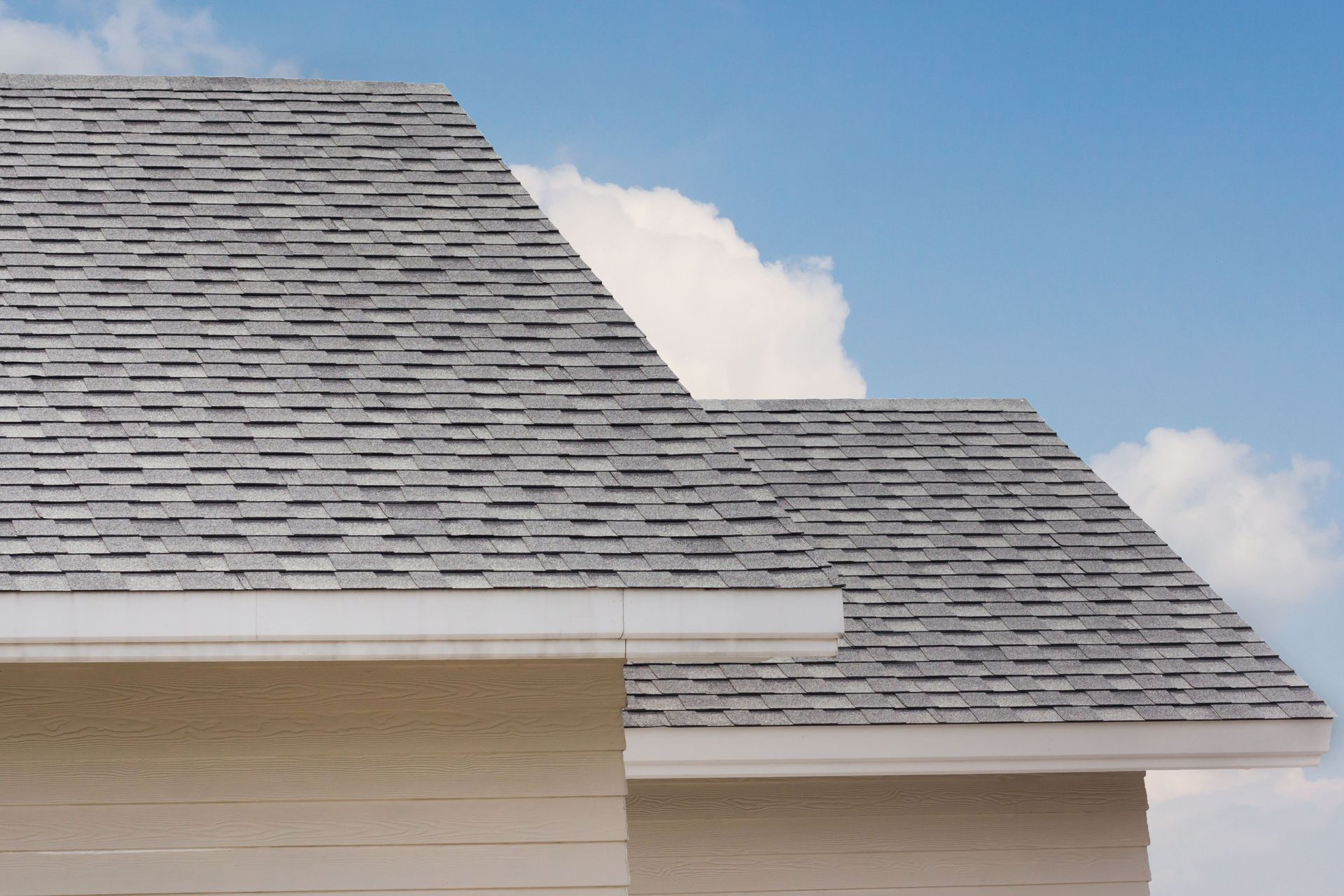
Understanding your local weather patterns is crucial when choosing a roofing material. Some materials are better suited for particular climates; for example, asphalt shingles may degrade more quickly in areas prone to excessive heat. In regions with heavy rainfall or snowfall, you may require materials that offer superior moisture resistance to prevent leaking and water damage. Moreover, regional climate conditions can affect how well a roofing material maintains its structure over time. By understanding your area's specific climate and weather conditions, you can choose a material that offers both efficiency and durability.
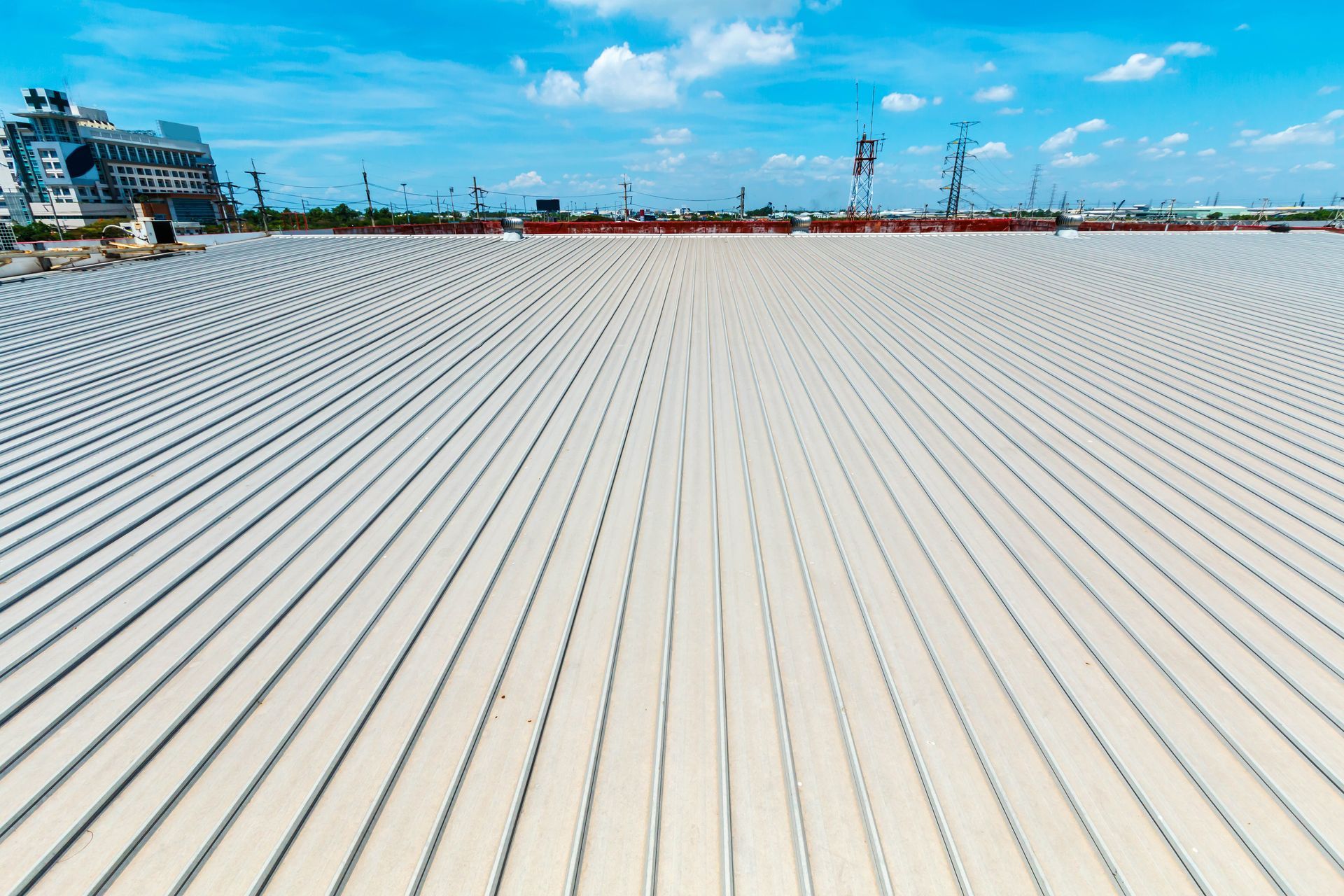
Evaluating temperature extremes is another essential factor. Materials like metal roofs are excellent at reflecting heat, making them perfect for hot climates but less so for cold areas, as they may not insulate as effectively. Moreover, tiles such as clay or concrete can absorb heat in warm climates but may crack upon experiencing sudden temperature changes. When assessing these factors, pay attention to the historical data of temperature fluctuations in your area. Knowing how a material can withstand temperature extremes can help you opt for a material that not only withstands the weather but also assists in energy conservation.
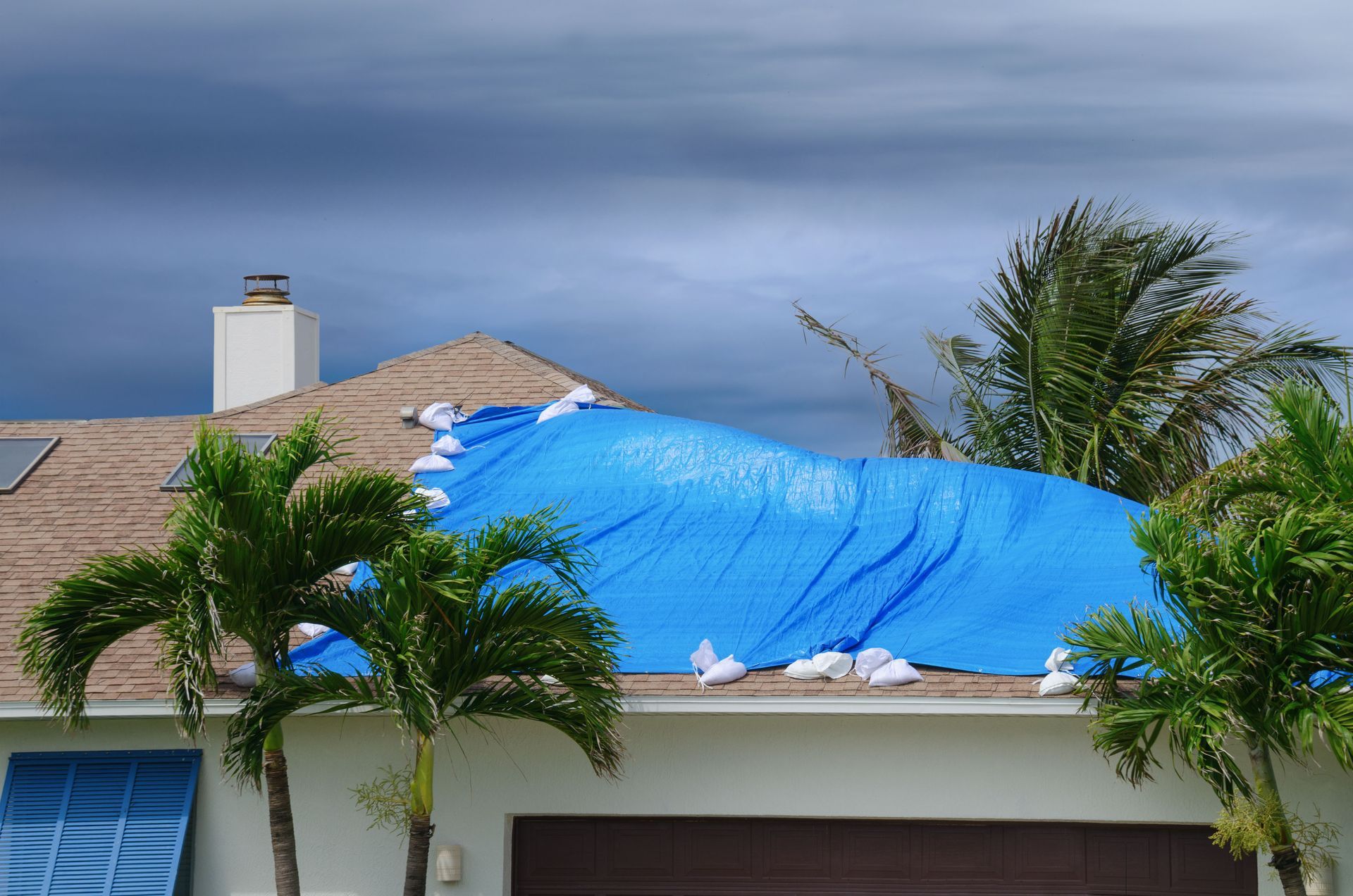
Consider the wind resistance ratings of your chosen material. Windstorms and hurricanes can dramatically affect certain areas, and choosing a material that can withstand powerful winds is crucial. Some materials come with wind resistance warranties, providing additional peace of mind if you live in such regions. Materials like slate and metal tend to have higher wind resistance ratings, making them superb choices for areas prone to severe weather. The right selection can lead to fewer repairs and replacements over time, saving both money and potential stress from repeated damage.
2. Evaluate Durability and Longevity
Durability and longevity are pivotal aspects to consider when choosing your roof material. Each material comes with its own lifespan: asphalt shingles, for example, usually last around 15-30 years, while slate and clay tiles can last upwards of 100 years. By comparing material lifespans, homeowners can better estimate how frequently they might need to start considering replacements in the future. A longer lifespan generally means fewer headaches down the road but may require a heftier upfront cost. Making the right choice here could reduce not only future costs but also the labor and inconvenience of more frequent roofing projects.
Investigating how well different materials resist wear and tear can also provide valuable insight into their potential longevity. For instance, materials like wood can be vulnerable to natural decay and pests, while metal might corrode if not properly treated. Materials that resist general wear can save you time and money on repairs, likely allowing your initial investment to pay off over several decades. Look for durability ratings and customer reviews to determine which materials showcase the highest level of resistance to wear. This information can help refine your choices to ones that will effectively last and protect your home.
Moreover, every roofing material comes with unique maintenance requirements. Slate and clay might offer long-term durability but may require more intricate maintenance routines to keep them in good shape. Understanding these requirements upfront can assist in accurately budgeting both time and money that you might have to employ post-installation.
3. Balance Aesthetic Appeal with Functionality
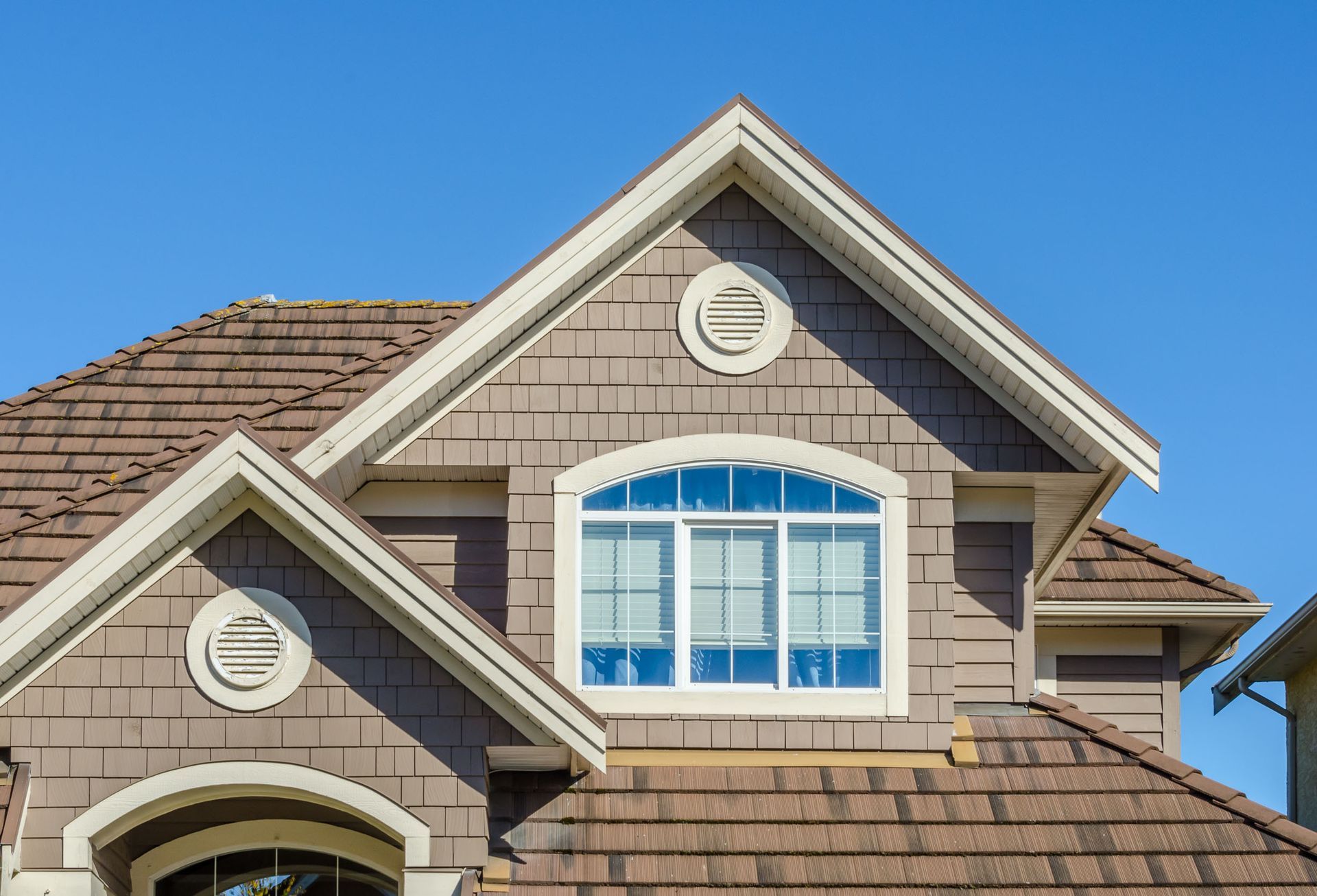
Identifying your home's architectural style can significantly aid in selecting the most suitable roofing material. A Victorian house, for instance, might look odd with modern metal roofing but stunning with slate tiles. Consider how various roofing materials align with your home's architectural theme so that functionality doesn't come at the cost of visual harmony. Review different architectural guidelines and case studies to get a clearer idea of what's best suited for your home. A well-matched material will harmonize aesthetic satisfaction with overall design integrity.
The plethora of color options also plays a critical role in the aesthetic appeal of your roof. Colors can significantly impact a home's exterior appearance, and the choice of roof color can either emphasize or diminish the look of the house. For instance, lighter colors may help reflect sunlight and keep a home cooler, while darker shades might help retain heat. When sampling color options, take into account the local climate, your home's exterior color palette, and how different seasons might affect how colors look. A well-chosen roof can drastically elevate your home's curb appeal.
4. Investigate Environmental Impact
The environmental impact of roofing materials is a growing concern for environmentally conscious homeowners. Sustainable options like metal or recycled rubber shingles have been designed to minimize ecological footprints, making them excellent choices for green-minded individuals. The availability of green roofing materials can help you create a home that not only looks good but feels good, too. Environmental sustainability doesn't just benefit the planet; it can also attract environmentally conscious buyers if you ever decide to sell. Opt for materials that offer longevity without depleting natural resources.
Recyclability is another aspect worth probing when investigating a material's environmental effects. Materials like metal roofs are highly recyclable, allowing them to be repurposed at the end of their lifecycle. Conversely, some roof materials may contain substances that make recycling challenging or even unfeasible. Reviewing options with strong recyclability attributes allows you to diminish future waste that's often directed towards landfills. With careful selection, you can make impactful choices no matter the budget.
According to Medium, it can take between 3 and 7 days to install a new roof, but choosing energy-efficient materials can offer savings that last significantly longer. By investing in energy-efficient options, the cost savings on heating and cooling expenses over time can contribute to the overall affordability and appeal of your choice. Think long-term, considering not just the installation effort but the sustainability, reduction of energy-efficient materials, over several decades.
Choosing the right roofing material is a multifaceted decision that requires careful consideration of climate, durability, aesthetics, environmental impact, cost, and support services. Armed with this comprehensive information, homeowners are empowered to make decisions grounded in foresight rather than speculation. From assessing weather conditions to weighing long-term costs and sustainability, an informed choice will efficiently balance performance, appearance, and environmental responsibility.
Although initial decisions can seem daunting, gathering and analyzing the necessary information simplifies the complexity of multiple options. With the completion of this guide, your unique combination of choices can culminate in a beautiful
new roof that enhances the value and efficiency of your home for years to come. Are you ready to protect your home and elevate its curb appeal? Visit Rodriguez Roofing online today to view service options.








Share On: