How a Roofing Contractor Identifies Hidden Storm Damage
After a major storm passes through, many homeowners breathe a sigh of relief when they don't spot obvious damage from the ground. However, storm damage is often invisible to the untrained eye, hiding in places that only a skilled roofing contractor knows to inspect. Understanding how professionals approach a post-storm assessment can help you make informed decisions about your home's protection.
Why Hidden Storm Damage Is So Dangerous
Visible damage, such as missing shingles, fallen debris, or obvious leaks, is easy to act on. The real threat, however, is the damage you cannot see. Hidden storm damage can compromise your roof's structural integrity over time, leading to costly repairs or even a full replacement if left unaddressed.
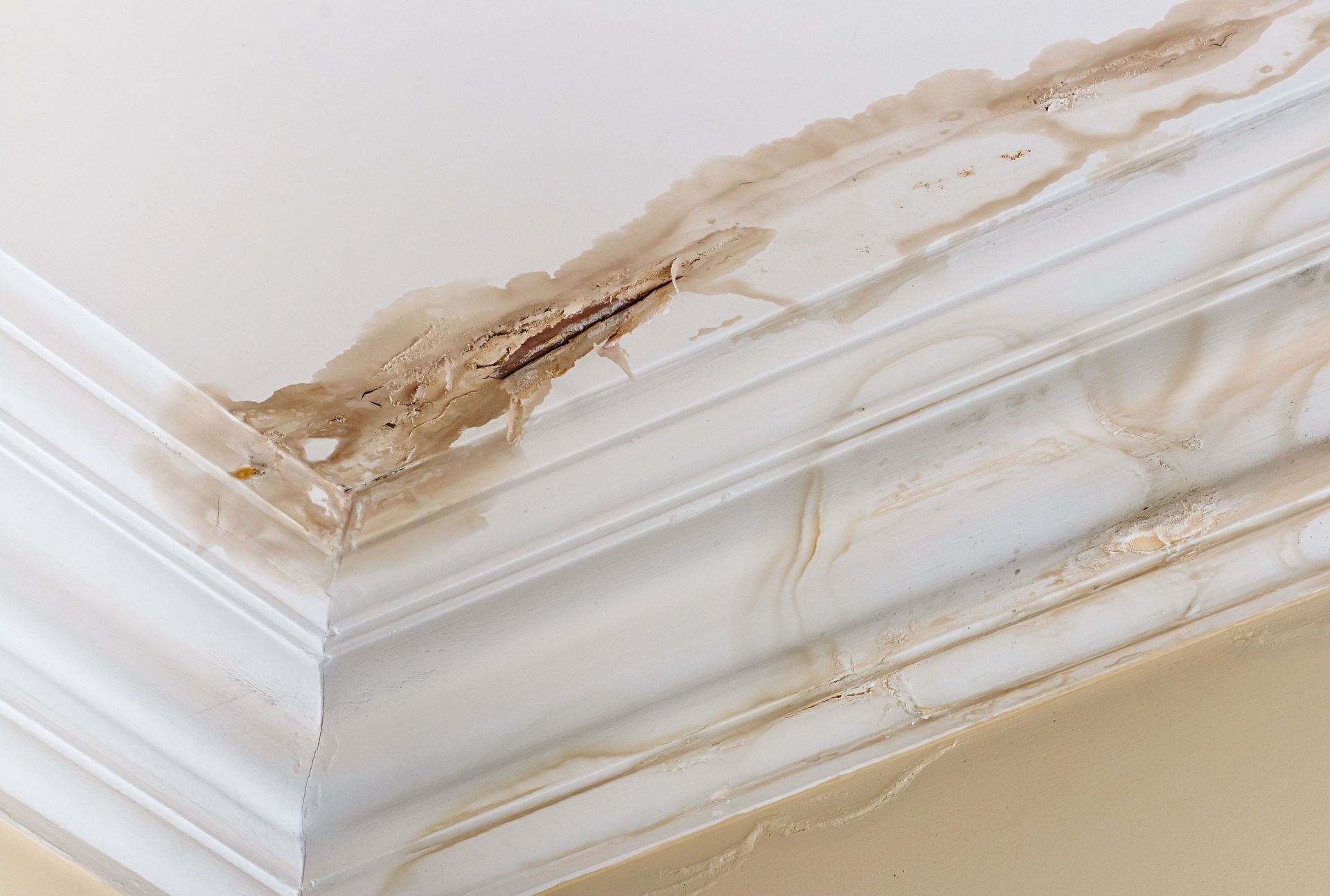
Water intrusion is one of the most insidious consequences of hidden damage. A hairline crack in flashing, a bruised shingle that looks intact but has lost its granules, or a subtly displaced ridge cap can allow moisture to seep into the underlayment and decking for months before a homeowner notices water stains on their ceiling. By that point, mold growth, wood rot, and insulation damage may already be well underway.
According to HomeAdvisor, about 55% of homeowners replace their roof primarily because of its age rather than visible damage, a reminder that by the time damage becomes obvious, it has often been accumulating quietly for years.
What a Roofing Company Looks for on the Exterior
A professional roofer begins every storm inspection from the outside, working systematically across every surface and component. Here is what a thorough exterior inspection covers:
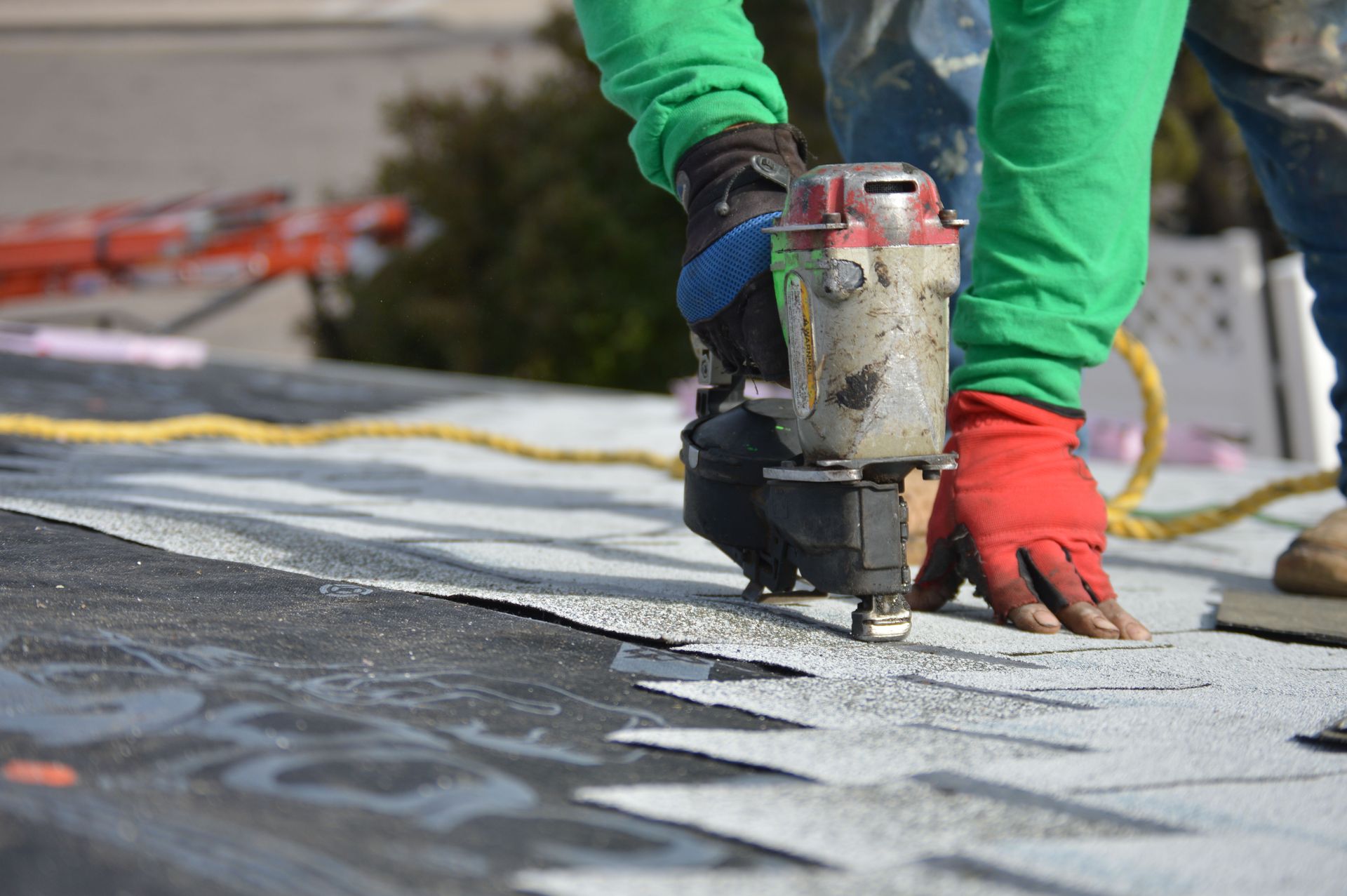
- Shingles: The contractor looks for cracked, curled, or missing shingles, as well as granule loss. Hail damage often leaves circular bruising or dimpling on asphalt shingles that is only visible up close.
- Flashing: Metal flashing around chimneys, skylights, vents, and valleys is checked for bends, cracks, and separation from the roofing surface, all of which can allow water to penetrate.
- Gutters and downspouts: Dented gutters are a reliable indicator of hail impact. An accumulation of granules in the gutters also signals shingle deterioration caused by storm activity.
- Soffits and fascia: Wind-driven debris and water can damage the soffits and fascia boards along the roofline, which are often overlooked but critical to preventing moisture intrusion.
- Ridge and hip caps: These elevated components bear the brunt of the wind. A roofing contractor will check for lifted, cracked, or missing cap shingles that could allow water to funnel directly into the roof deck.
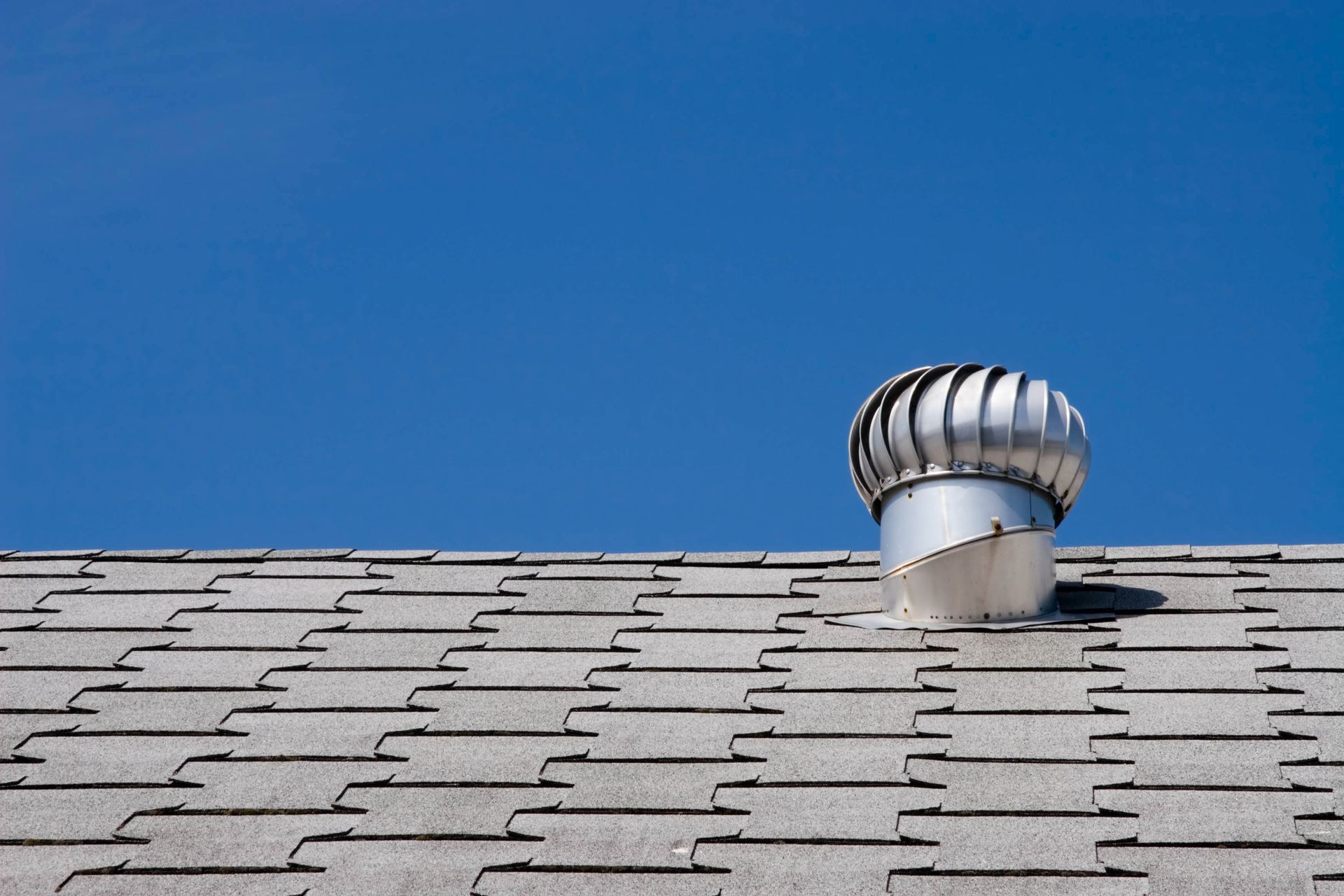
- Skylights and vents: Seals around penetrations are especially vulnerable to impact and wind uplift, making them a priority inspection point after any storm.
How a Roofer Assesses the Interior
A responsible roofer does not stop at the exterior. Interior inspection is equally important for catching hidden damage before it escalates. A contractor may access the attic to evaluate the following:
- Daylight penetration: Any visible light coming through the roof decking indicates a breach that requires immediate attention.
- Water stains and moisture: Dark staining, wet insulation, or rust on metal fasteners suggest that water has been infiltrating the roof structure, potentially for some time.
- Sagging or soft decking: When viewed from below, warped or soft areas in the roof deck point to moisture damage that has already weakened the structural layer beneath the shingles.
- Mold and mildew: The presence of mold is a serious indicator of long-term moisture exposure and requires remediation in addition to roofing repairs.
The Tools and Techniques Professionals Use
Experienced roofers rely on more than just a visual inspection. Several specialized tools and methods help uncover damage that the naked eye might miss:
- Moisture meters: These devices measure the moisture content of roofing materials and decking, pinpointing hidden wet spots that are not yet visible from the surface.
- Infrared scanning: Thermal imaging can detect temperature anomalies in roofing layers caused by trapped moisture, allowing contractors to map damage across the entire roof without invasive probing.
- Systematic grid inspection: Rather than walking a roof haphazardly, professionals inspect it in a methodical grid pattern, ensuring no section goes unchecked.
- Documentation: A reputable roofing contractor photographs every area of concern, creating a detailed record that is essential for insurance claims and repair planning.
Why Wind and Hail Damage Look Different
Not all storm damage looks the same, and a skilled roofer knows how to distinguish between the two because each type requires a different repair approach.
Wind damage typically appears as lifted, creased, or missing shingles, particularly along the roof's edges and ridgeline where uplift forces are strongest. Hail damage, on the other hand, presents as random impact marks, bruising on shingles, and dented metal components such as gutters, vents, and flashing. Hail strikes can break the bond between shingle granules and the asphalt mat without visibly cracking the shingle, meaning the damage accelerates aging and water resistance loss without looking serious from a distance.
Knowing the difference matters because insurance adjusters and roofers both need to document storm cause accurately to ensure proper coverage and the right repair scope.
When to Call a Roofing Company After a Storm
Many homeowners wait too long after a storm to schedule an inspection, assuming that no visible damage means no problem. Ideally, a roofing contractor should inspect your roof within a few days of any significant storm event, including high winds, hail, or heavy rain. Prompt inspection not only catches hidden damage early but also ensures the documentation is tied closely to the storm event — a detail that matters greatly during the insurance claims process.
Even if your roof appears fine, a professional inspection provides peace of mind and a reliable record of your roof's condition, which can be valuable should issues develop in the weeks or months that follow.
How the Claims Process Works With Your Roofing Company
Navigating an insurance claim after storm damage can feel overwhelming, but a knowledgeable roofing contractor can make the process significantly more manageable. Once the inspection is complete and damage has been documented, your contractor can help you compile the photos, written assessments, and material estimates that your insurance adjuster will need to evaluate the claim. In many cases, having a contractor present during the adjuster's visit ensures that no damage is minimized or overlooked during the review. A contractor who is familiar with the claims process knows how to clearly communicate the scope of work required, which helps prevent disputes over coverage and speeds up approval timelines. Keeping a record of every storm event — including dates, weather reports, and contractor findings — also strengthens your position if questions arise later. Working with a contractor who supports you through the claims process from start to finish is one of the most practical steps you can take to protect both your roof and your finances.
Why Choosing the Right Professional Protects Your Home
Hidden storm damage is not something to leave to chance or to assess on your own. A qualified
roofing contractor brings the training, tools, and systematic approach needed to find problems before they become expensive disasters. From granule loss on shingles and compromised flashing to moisture in the attic and weakened decking, the most costly damage is almost always the damage you never knew was there.
If your home has recently experienced a storm, do not wait for a water stain on your ceiling to tell you something is wrong. Contact Rodriguez Roofing today to schedule a thorough inspection and protect the investment you have made in your home.









Share On: