Comparing Different Materials of Commercial Roofs
In the modern era of architectural design and property management, the structural choice of roofing materials for industrial buildings has become more critical than ever. The right roofing installation can significantly impact the long-term durability, interior climate control, and overall environmental footprint of a facility. Understanding the distinct physical options available is fundamental for commercial contractors and property owners to make sound, data-driven decisions.
This comparative article explores several popular commercial roofs, detailing their practical advantages and disadvantages to aid in this vital aspect of industrial building design. By evaluating these diverse materials through multiple operational factors, corporate decision-makers can perfectly align their facility choices with both their immediate business budgets and their long-term corporate sustainability goals.
Roofing is not merely about basic shelter; it is an integrated architectural component that dictates a facility’s operational efficiency and public identity. From external aesthetics to interior energy conservation, the material chosen can either enhance or drastically detract from a building's overall performance.
Furthermore, a global emphasis on corporate sustainability and eco-friendly practices has rapidly spurred innovation in heavy-duty manufacturing. According to ZipDo, energy-efficient roofing materials can reduce commercial building energy costs by up to 30%, reflecting a growing demand for eco-friendly roofing solutions. Modern businesses are increasingly calculating their carbon footprint, and thus, the sustainability profile of their building envelope is now a major deciding factor. Through this ecological lens, we will delve into several highly popular systems, offering an objective examination of each material's lifecycle performance.
1. Asphalt Shingles
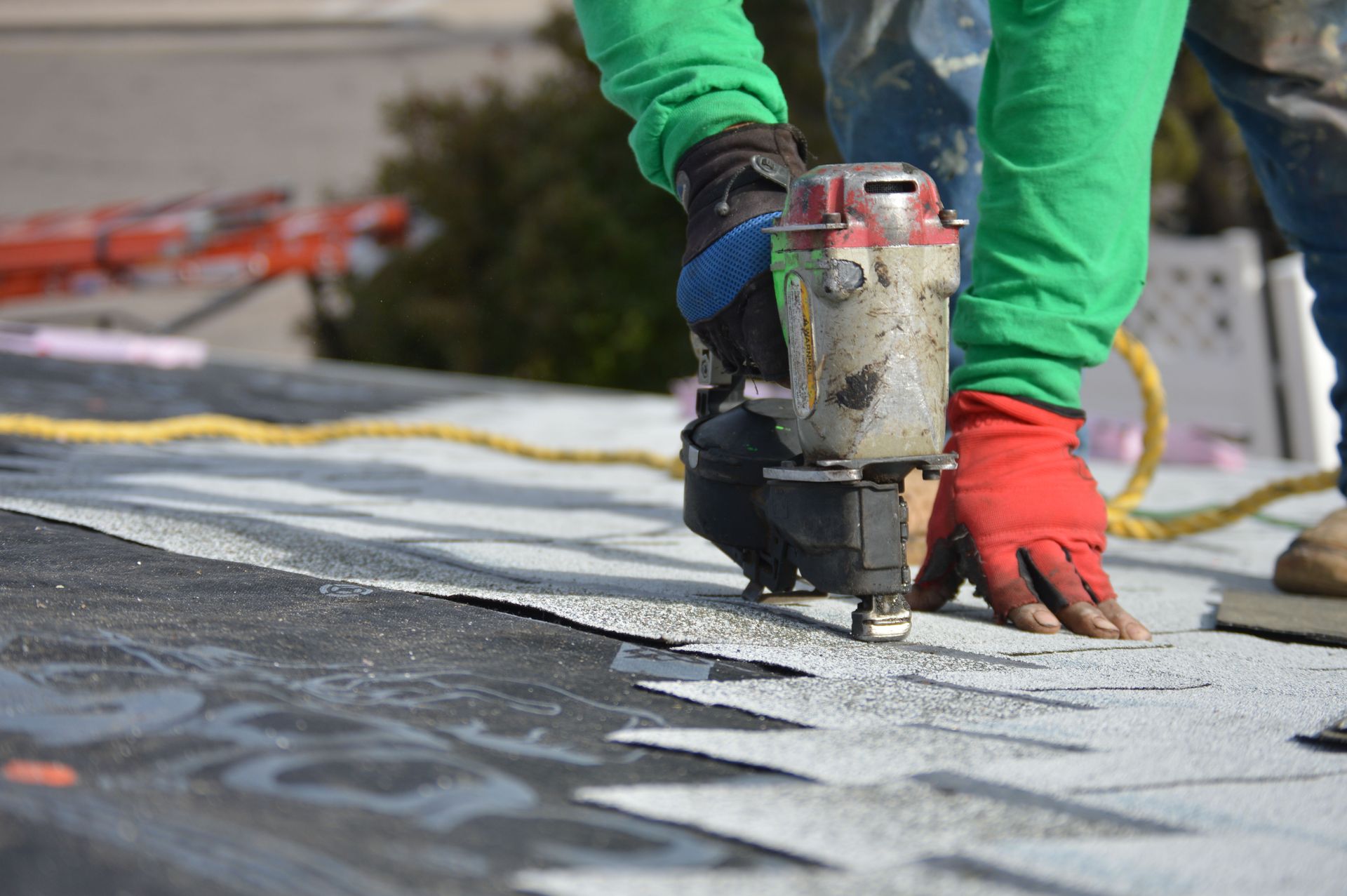
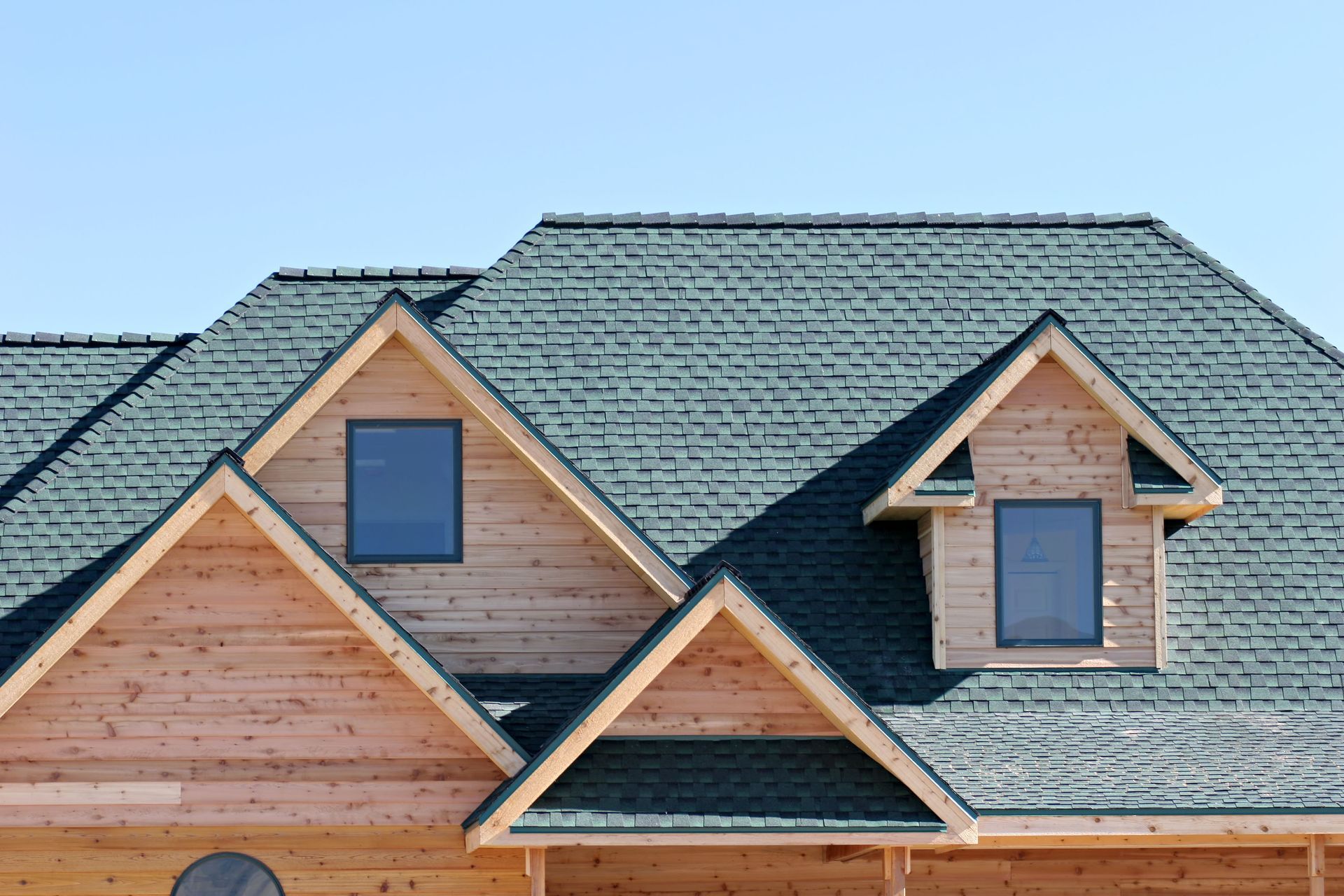
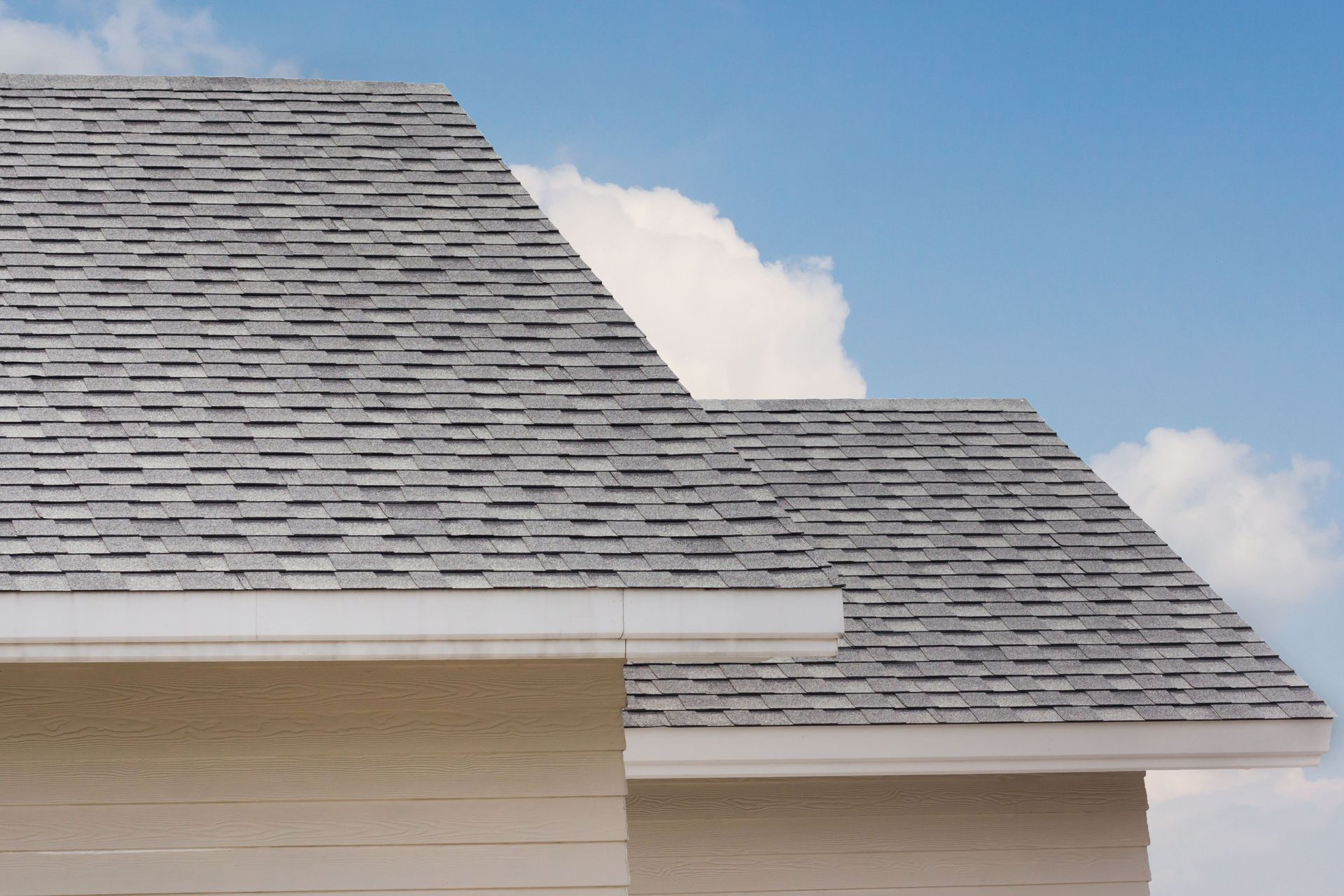
Asphalt shingles have long been a foundational staple in the residential sector, and their application on sloped commercial roofs is steadily growing. These specialized shingles are engineered from a dense fiberglass or organic mat coated with waterproofing asphalt, which is then embedded with ceramic granules. There are various commercial grades available, including traditional three-tab configurations, dimensional architectural shingles, and premium multi-layer luxury shingles. Each distinct type is designed to offer varying levels of wind resistance, aesthetic depth, and material longevity.
Asphalt shingles offer a myriad of practical advantages, making them an exceptionally competitive choice for light commercial buildings. One significant benefit is their low initial cost-effectiveness, providing excellent structural coverage relative to their price point. They are among the most affordable options available, making them ideal for budget-conscious corporate developments. Their installation process is highly straightforward, which drastically reduces manual labor costs. Additionally, the extensive range of colors and dimensional styles allows for precise architectural customization to match strict corporate branding or local municipal aesthetic desires.
Despite these financial benefits, asphalt shingles come with several distinct disadvantages that property managers must carefully consider. One major drawback is their relatively shorter operational lifespan in comparison to heavy-duty single-ply membranes or metal systems. Typically, asphalt shingles last between 15 to 30 years, depending on the local climate and installation quality. This abbreviated cycle necessitates more frequent roof replacements, contributing to higher long-term capital expenditures. Furthermore, they are highly vulnerable to localized wind blow-offs and impact damage during severe hailstorms.
When evaluating the comprehensive cost of asphalt shingles, their lower upfront price is undeniably attractive for fast-paced commercial projects. Compared to alternative materials, asphalt systems require a much smaller initial capital investment, which is crucial for maximizing short-term cash flow. However, the long-term financial implications deserve close attention. Given their frequent replacement requirements, the lifetime cost of ownership can easily surpass that of initially expensive systems. Property owners must factor these ongoing maintenance expenses into their 20-year financial forecasting.
2. Metal Roofing
Metal systems represent a highly versatile and structurally robust choice for modern commercial roofs, offering multiple metallurgical compositions to suit different load requirements and regional climates. The most commonly utilized metals include structural steel, aluminum, and architectural copper. Steel is highly favored for its raw tensile strength and affordability, typically treated with zinc-aluminum coatings to prevent oxidation. Aluminum is valued for its inherently non-corrosive nature in marine environments, while copper offers centuries of durability alongside a prestigious, self-protecting green patina.
The definitive standout characteristic of metal roofing is its incredible durability and extended operational lifespan. Depending on the specific metal configuration and fastening style selected, these high-performance commercial roofs can easily last between 40 to 70 years. This extreme longevity is due to metal’s natural resistance to severe environmental hazards, including high winds, heavy snow loads, and direct fire exposure. Metal does not suffer from moisture absorption or rot, drastically minimizing the risk of sudden structural degradation over decades of continuous exposure.
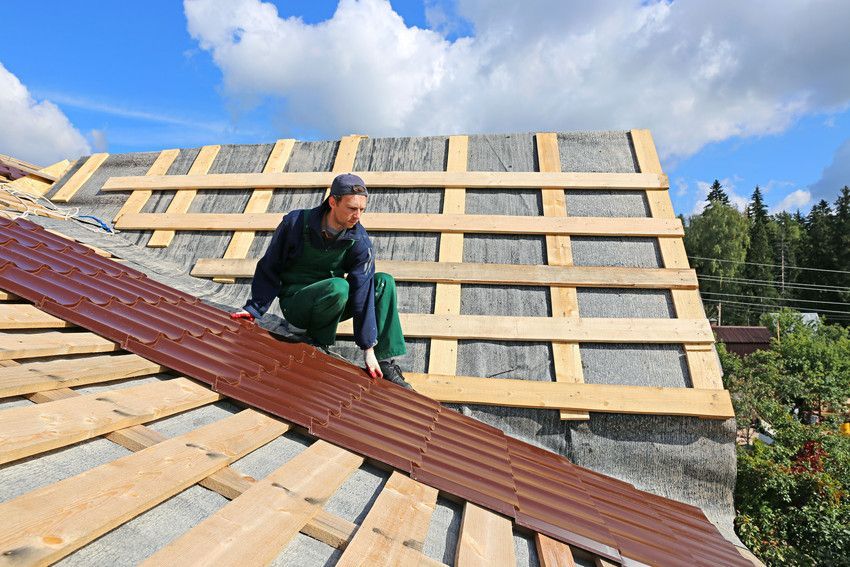
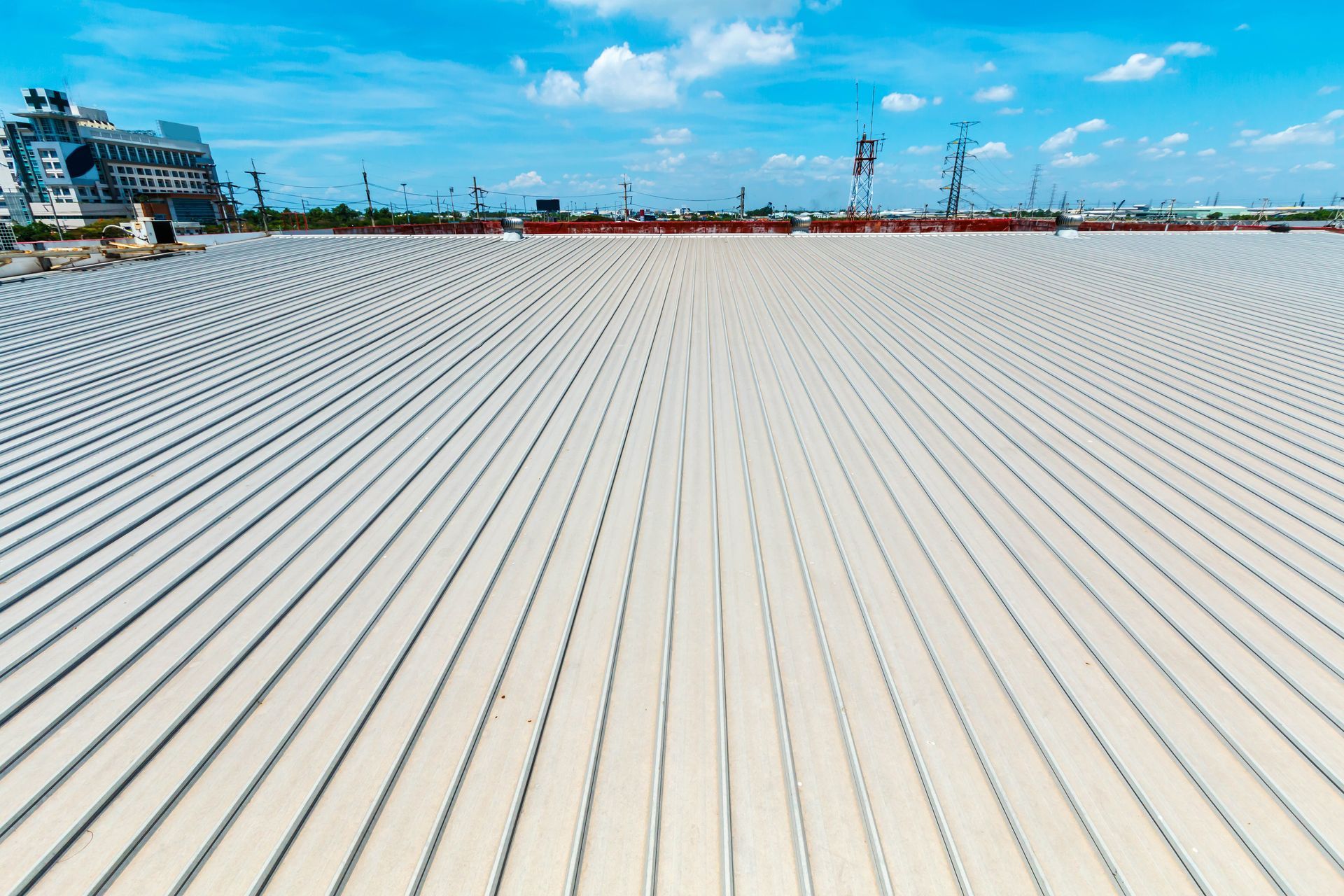
The installation of commercial metal roofing systems stands out for its structural efficiency and clean adaptability to complex industrial architectures. Metal panels are typically fabricated in large, continuous sheets that span from the ridge to the eaves, secured with concealed or exposed fasteners. Prefabrication of panels reduces on-site construction timelines and minimizes operational downtime for businesses below. Furthermore, the exceptionally lightweight nature of metal panels reduces the dead load strain on the building's underlying support trusses, eliminating the need for expensive structural reinforcement.
Metal roofing is internationally renowned for its exceptional energy efficiency, providing a highly effective method for commercial properties to reduce monthly cooling demands. The natural reflectivity of metal surfaces allows these systems to bounce away raw solar radiation rather than absorbing it into the plenum space. When enhanced with specialized, cool-roof elastomeric coatings, metal commercial roofs act as thermal barriers. This high solar reflectance allows businesses to easily achieve substantial energy savings, directly satisfying local energy conservation mandates and lowering peak demand surcharges.
3. TPO (Thermoplastic Olefin) Roofing
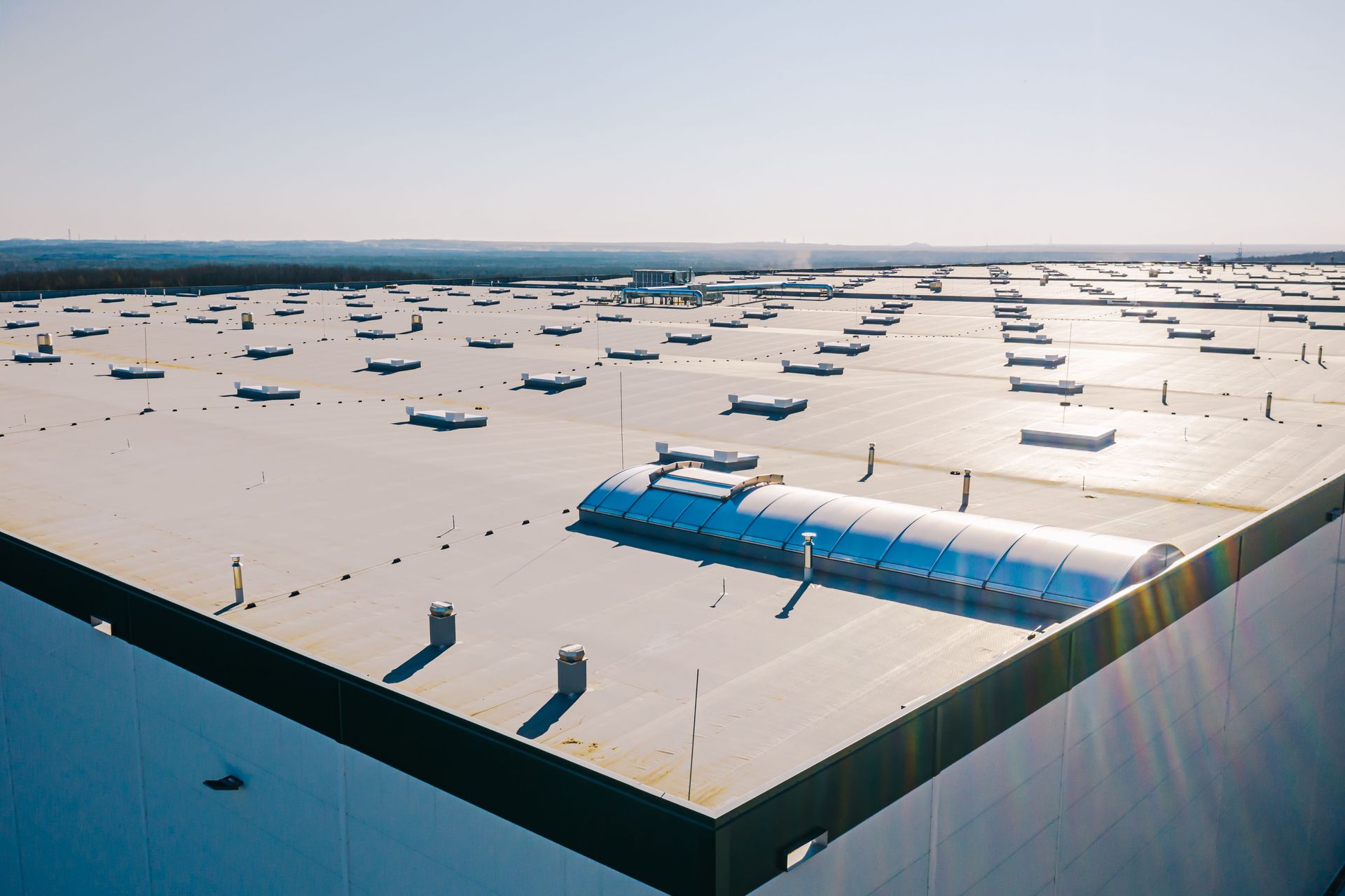
TPO roofing is a cutting-edge, single-ply membrane that has become one of the most widely installed systems for flat and low-slope commercial roofs. It is formulated from a heat-weldable blend of polypropylene and ethylene-propylene rubber, creating a highly flexible yet impact-resistant sheet. This membrane is internally reinforced with a polyester scrim to maximize tear strength and puncture resistance. TPO can be mechanically fastened, fully adhered with heavy-duty bonding adhesives, or ballasted with stone, offering exceptional engineering versatility across diverse commercial substructures.
A defining hallmark of TPO roofing is its peerless resistance to ultraviolet (UV) radiation and intense thermal loading. The bright white surface of standard TPO membranes is engineered to reflect the vast majority of the sun’s energy, drastically lowering rooftop surface temperatures during hot summer months. This high solar reflectance keeps the underlying building significantly cooler, reducing the burden on commercial HVAC systems. Additionally, TPO’s flexible chemical structure allows it to accommodate continuous thermal expansion and contraction without cracking or splitting over time.
Selecting the ideal material for commercial roofs requires a careful, balanced evaluation of initial financial capital, localized weather exposure, long-term maintenance expectations, and energy efficiency demands. While traditional asphalt shingles offer low upfront costs for sloped structures, modern metal systems and TPO single-ply membranes provide superior durability, lower lifecycle costs, and exceptional energy conservation. By aligning material selections with comprehensive life-cycle cost analyses, commercial property owners can successfully transform their roofs from standard overhead liabilities into highly efficient, sustainable structural assets.
When the structural integrity of your facility is on the line, relying on unqualified or unbonded contractors can result in catastrophic leaks, premature system failures, and expensive litigation. Partnering with an experienced commercial specialist is mandatory to guarantee your roofing system is installed according to rigid manufacturer specifications and local building codes. For premier industrial installations, comprehensive asset inspections, and durable architectural solutions tailored specifically for your commercial roofs, turn to the proven engineering expertise of Rodriguez Roofing.


Share On: