Factors to Consider When Replacing Your Roof
Replacing a residential home's roof represents a major financial commitment that demands meticulous preparation and strategic long-term planning. This crucial structural upgrade securely protects your family's safety, enhances thermal efficiency, and elevates overall property curb appeal. Homeowners must weigh several critical elements carefully before launching a full teardown. Investing in new roofs requires a clear, comprehensive understanding of the entire process from initial evaluation to final cleanup.
Evaluate Your Roof's Current Condition
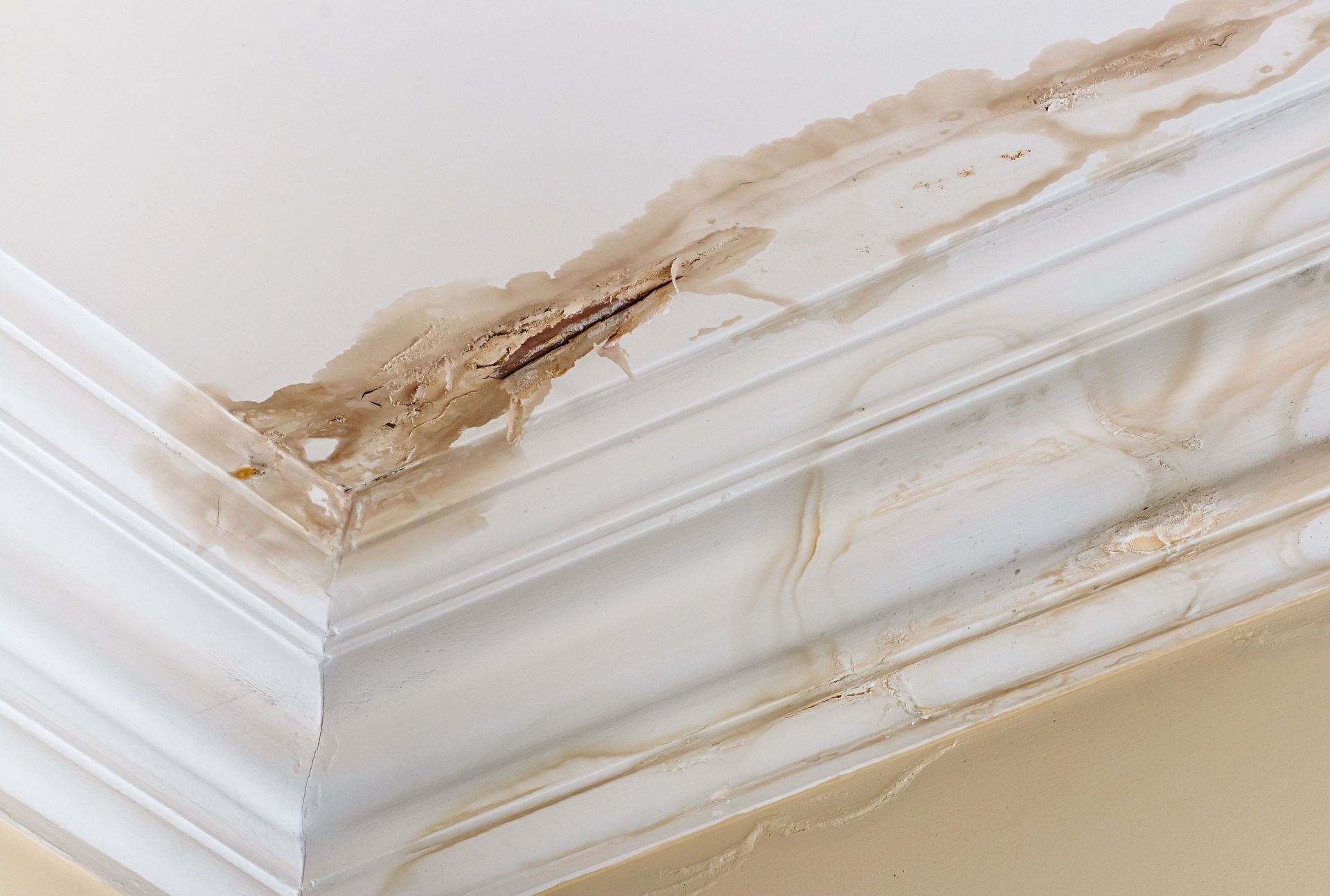
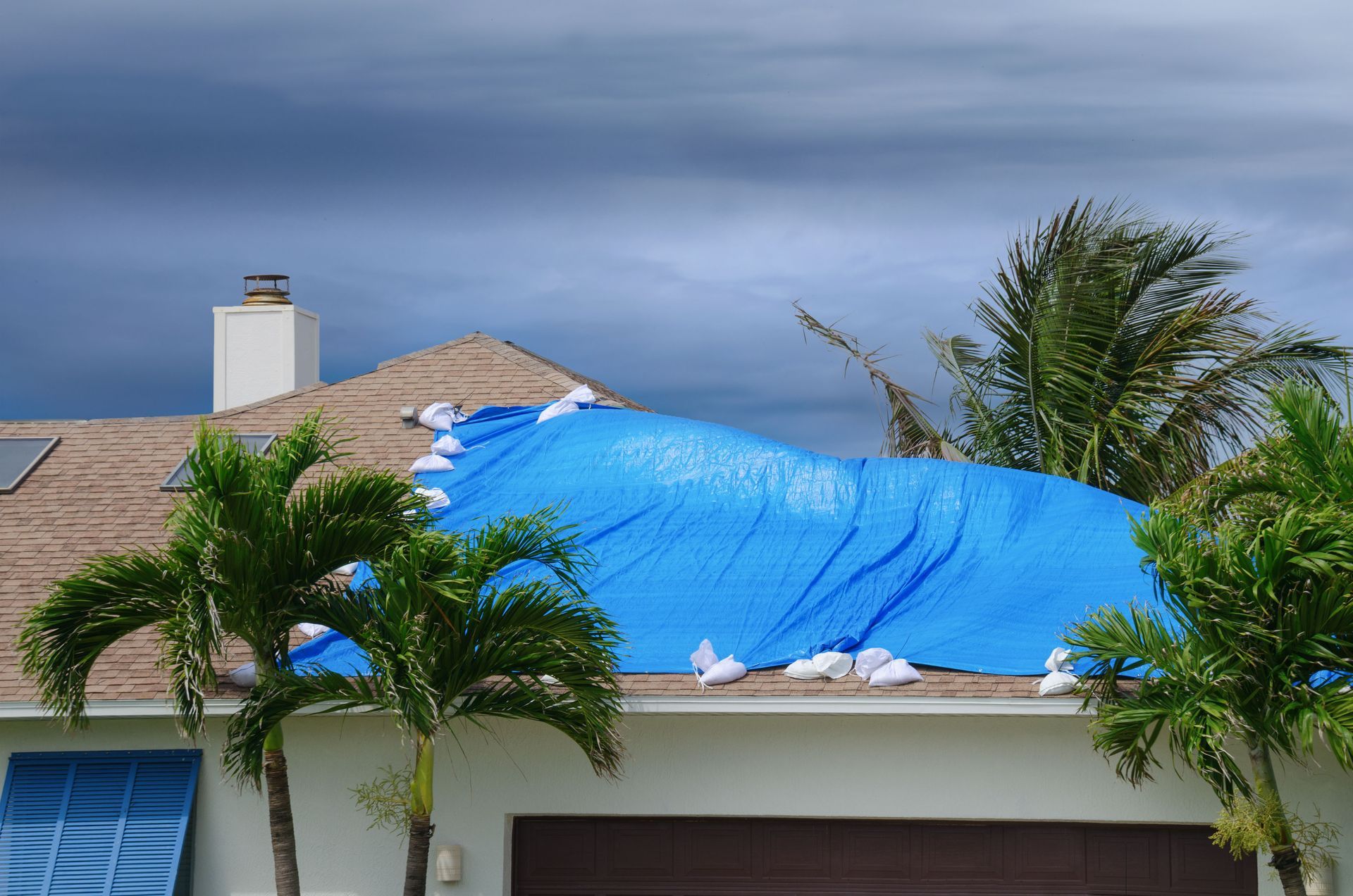
Homeowners must begin the process by identifying clear indicators of structural degradation across the upper structure. Missing shingles and sagging sections serve as immediate warnings that the protective weather barrier has failed. Water spots on interior ceilings frequently point to hidden leaks demanding rapid professional intervention.
General degradation over time helps determine the necessity of a total system overhaul. According to RubyHome, the lifespan of a typical rooftop spans between 20 and 50 years, varying based on the specific material quality and structural type. Noticing massive granule loss indicates that the system is nearing its final phase.
Deciding between localized repairs and a total replacement requires balancing short-term expenses against long-term housing security. Minor issues can often be fixed with targeted patches, but widespread aging makes repeated repairs highly inefficient over time. Opting for new roofs prevents ongoing financial drain and establishes a reliable, durable shield.
Securing a professional inspection provides necessary clarity regarding the true state of the home's overhead defense. Qualified inspectors check the structural integrity of the underlying decking and ventilation. Their expert evaluations supply precise cost estimates that help homeowners make intelligent decisions.
Choose the Right Roofing Material
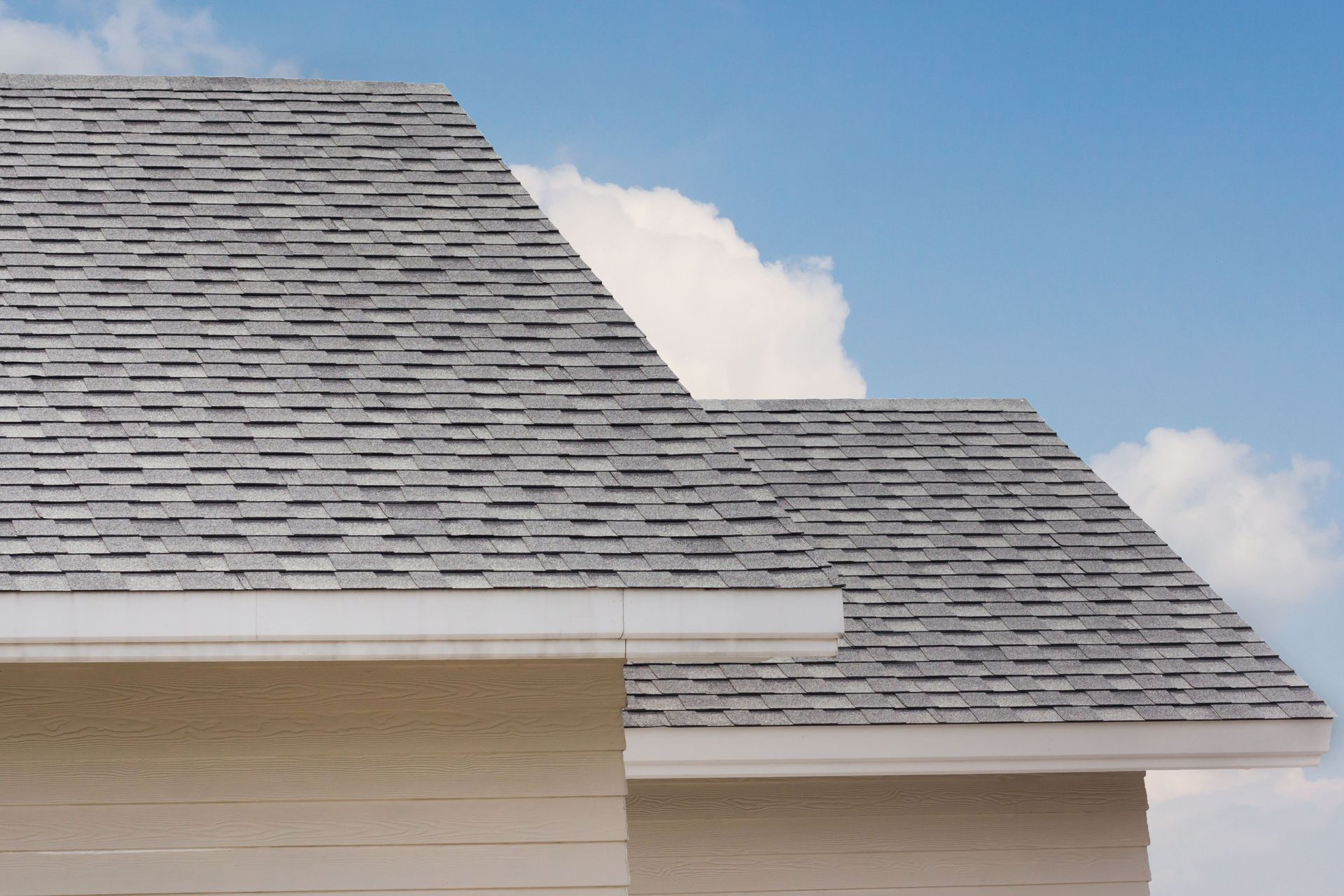
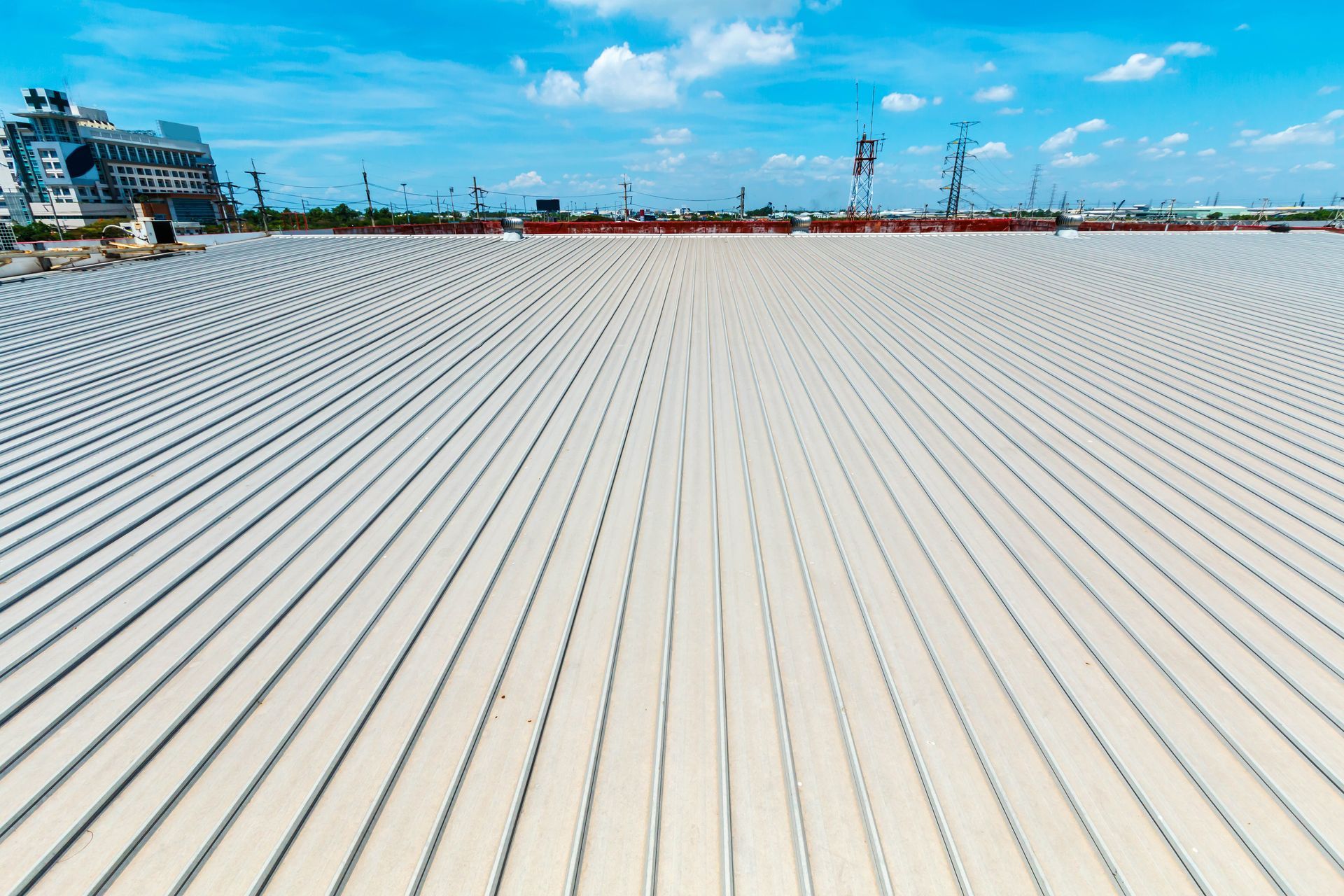
Selecting the proper material involves analyzing durability, weight limits, and long-term performance expectations. Traditional asphalt shingles remain popular due to their initial affordability and straightforward installation process. Modern metal options provide exceptional longevity, while premium selections like slate deliver timeless elegance for distinct architectural styles.
Budgetary constraints inevitably shape the final material selection process for most residential property owners. While cheaper options reduce immediate upfront bills, high-quality alternatives often yield superior long-term returns. Balancing immediate outlays against lifetime performance ensures that the chosen system delivers maximum value for your home.
Local weather patterns dictate which materials will thrive and which will fail prematurely under environmental stress. Heavy snow, intense humidity, and high winds require specialized designs capable of resisting moisture. Eco-friendly selections like recycled metal help reduce energy consumption while minimizing environmental impact.
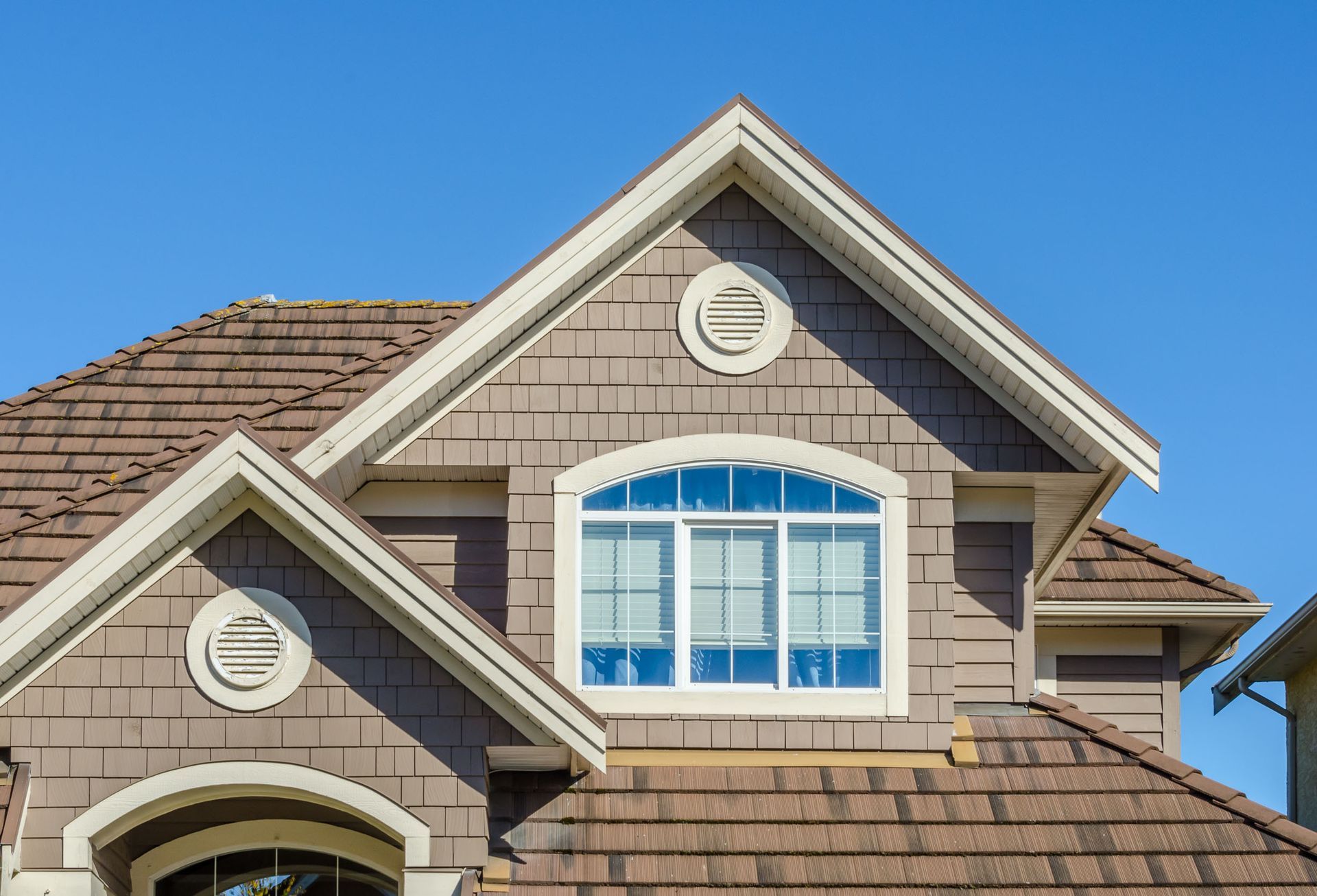
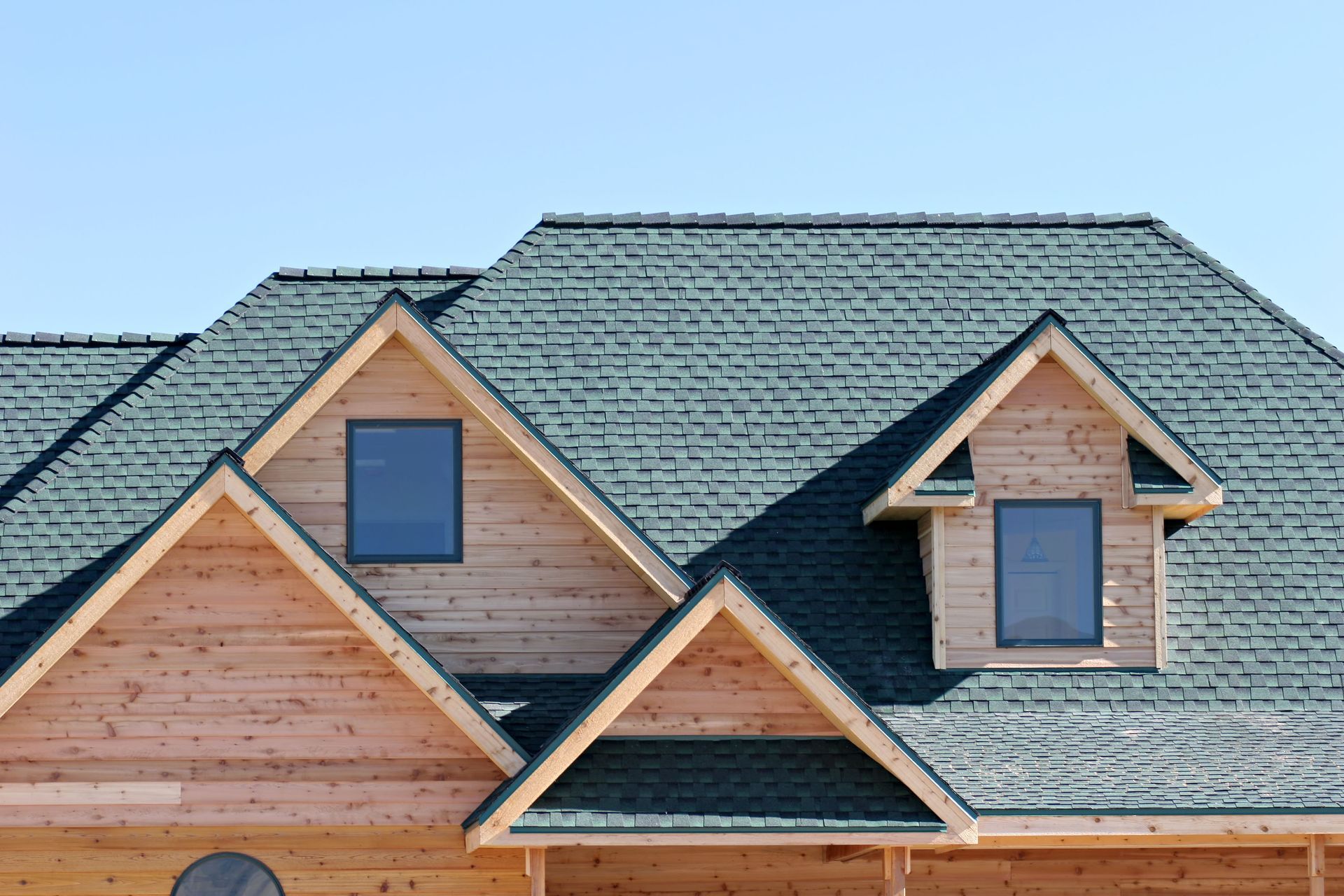
Visual harmony between the top structure and the rest of the home significantly influences overall neighborhood market value. The color, profile, and texture of the material must complement existing siding elements perfectly. Utilizing digital design tools allows homeowners to preview various material combinations before ordering new roofs.
Understand Local Regulations and Permits
Compliance with municipal building codes remains a non-negotiable aspect of managing a successful residential renovation project. Local codes establish strict guidelines regarding wind resistance, fire safety ratings, and proper ventilation requirements. Violating these mandated guidelines leads to expensive legal penalties and might force the complete removal of completed work.
Securing the correct building permits before starting construction ensures the project proceeds legally and without municipal disruption. Property owners must submit detailed plans to local authorities to obtain formal authorization for structural alterations. Having approved documentation protects property values and facilitates smooth future real estate transactions when selling.
Homeowners association guidelines frequently impose strict limitations on the appearance and composition of residential exterior elements. These neighborhood rules might restrict color palettes, forbid certain material categories, or require formal review committee approval. Reviewing these covenants ahead of time prevents friction with neighborhood boards.
Zoning laws govern specific structural parameters, including maximum peak heights, property setbacks, and local drainage management systems. Complex local legal frameworks sometimes necessitate professional guidance to navigate overlapping municipal boundaries successfully. Addressing these administrative details early guarantees that installing new roofs meets every local legal standard.
Budget for the Replacement Costs
Developing a comprehensive financial blueprint requires factoring in material costs, labor fees, disposal expenses, and delivery charges. Homeowners should acquire comprehensive, itemized estimates from multiple reputable sources to understand where every dollar goes. Clear contract terms eliminate hidden fees and ensure project alignment matches your financial expectations.
Allocating dedicated emergency funds within the primary budget protects against unexpected complications discovered during the teardown process. Internal deck rot, insect infestations, and compromised rafters are rarely visible until old layers are stripped completely away. Maintaining a financial safety net prevents project delays and ensures workers fix underlying issues immediately.
Exploring diverse financing pathways helps homeowners manage the significant upfront financial commitments associated with major home renovations. Options like home equity lines of credit, personal loans, or specialized contractor financing plans offer flexible payment structures. Selecting a suitable financing mechanism relieves immediate cash flow pressure during construction.
Performing a detailed cost-benefit analysis helps validate the substantial financial investment required for high-quality residential upgrades. Superior craftsmanship and premium components lower monthly utility bills through optimized attic insulation and modern radiant barriers. Property owners who invest in new roofs enjoy lower insurance premiums and higher resale values.
Select a Reputable Roofing Contractor
Finding a trustworthy contracting company demands rigorous verification of business licenses, active insurance policies, and professional credentials. Verifying general liability insurance and worker compensation coverage shields property owners from financial accountability during accidental on-site injuries. Legitimate operations readily provide these documents to establish transparency and earn client confidence easily.
Evaluating a contractor's specific professional background ensures they possess the technical skills required to install your chosen system properly. Experienced teams understand how to handle specialized flashings, complex valley transitions, and modern ventilation systems without errors. Reviewing a portfolio of completed local projects validates their craftsmanship and commitment to quality work.
Reading consumer reviews across independent platforms offers valuable insights into a company's operational reliability and communication style. Comparing multiple detailed estimates enables homeowners to identify market averages and spot suspicious, ultra-low bids. Clear communication during the bidding phase sets a professional tone for the entire relationship.
Reviewing manufacturer material warranties and contractor workmanship guarantees provides essential long-term protection for your substantial residential asset. Clear service agreements define the exact duration of coverage, maintenance obligations, and procedures for addressing future leak issues. Secure warranties guarantee that investments in new roofs remain protected against defects.
Prepare for the Installation Process
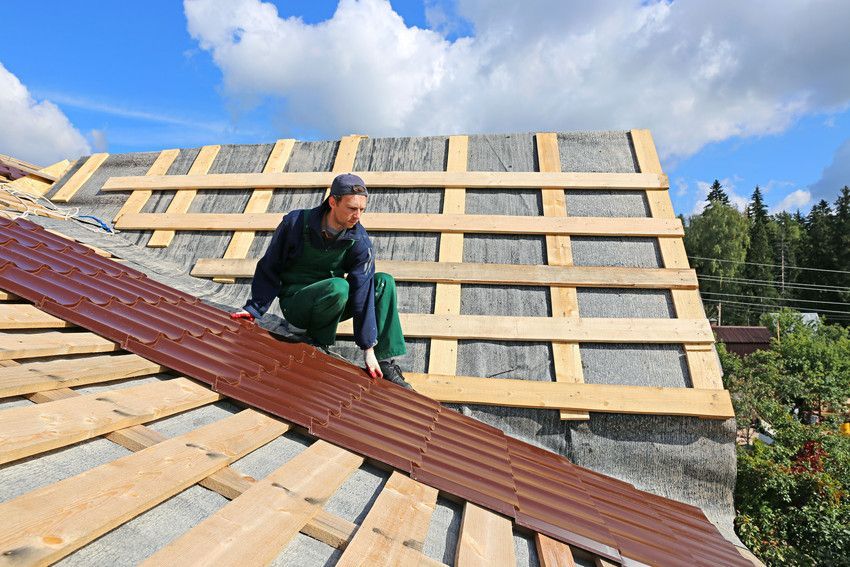
Coordinating the seasonal timing of the project optimizes installation efficiency and minimizes exposure to adverse weather conditions. Staging construction during dry, stable seasons reduces the risk of interior water damage while accelerating the crew's daily progress significantly. Discussing seasonal availability early helps homeowners secure preferred scheduling slots during peak months.
Establishing a realistic timeline alongside the crew foreman aligns operational expectations and minimizes daily household disruptions. Construction zones generate substantial noise, heavy vibrations, and falling debris that will temporarily alter normal routines around the property. Understanding these schedules allows residents to plan remote work arrangements or arrange necessary pet care in advance.
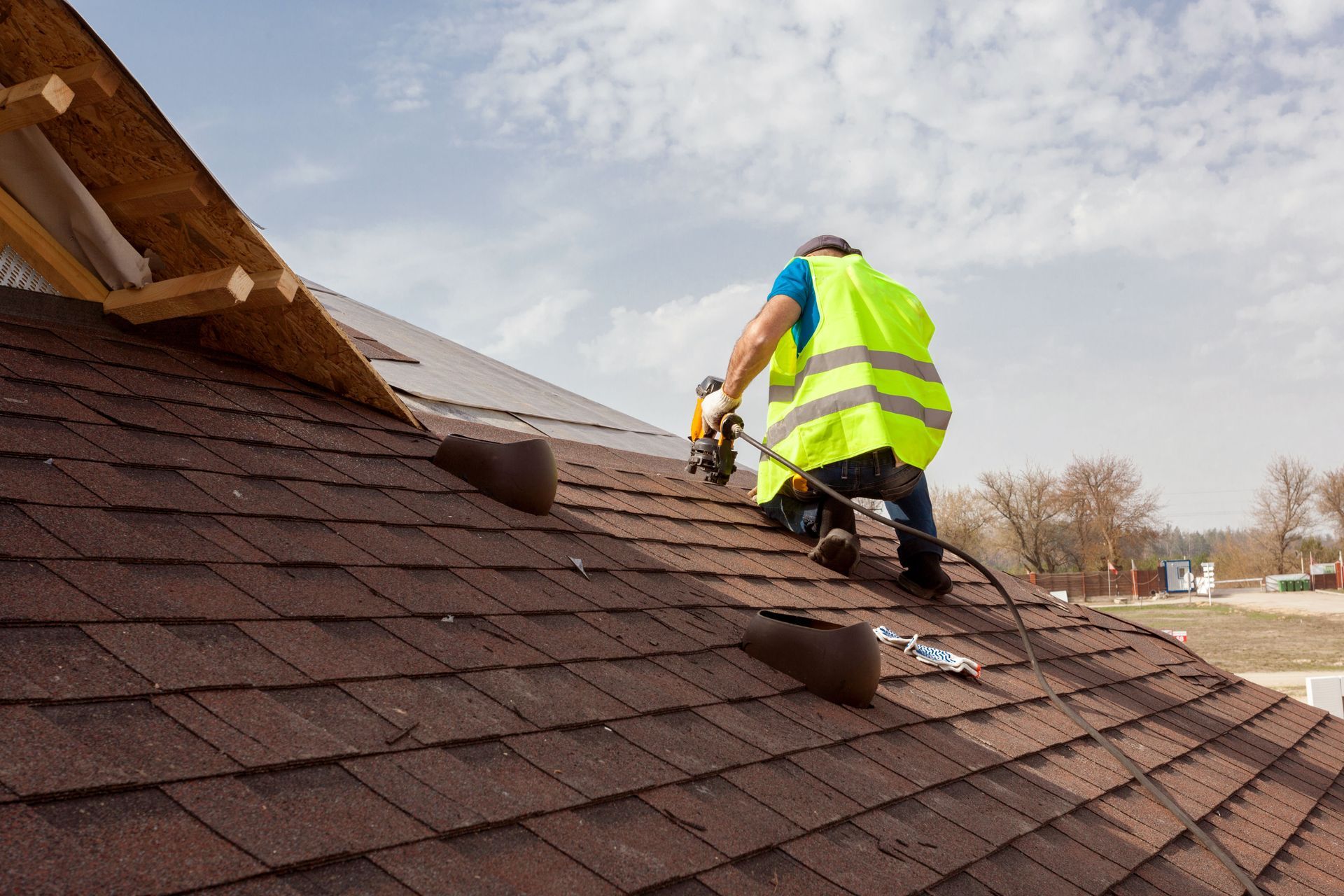
Preparing the surrounding grounds involves clearing driveways, protecting fragile landscaping, and removing delicate items from interior walls. Heavy vibrations can cause wall decorations to fall, while falling old shingles risk damaging patio furniture below. Taking proactive steps secures personal belongings and grants the construction crew unhindered access.
Maintaining active lines of communication with the project manager ensures quick resolution of any unforeseen operational challenges. Agreeing on primary contact methods and daily progress updates keeps everyone aligned from initial delivery to final sweeping. Clear dialogue fosters a cooperative environment, ensuring that the installation of new roofs proceeds efficiently.
Embarking on a full roof replacement requires careful consideration of materials, local regulations, budgeting parameters, and contractor credentials. Prioritizing thorough preparation and expert guidance transforms a stressful construction project into a smooth asset upgrade that securely protects the home for decades. Let us help you safeguard your home today by scheduling a professional consultation with Rodriguez Roofing.


Share On: