Why Metal Roofing is Trending Up
Metal roofing has become an increasingly visible choice for buildings of many types. According to Business Research Insights, metal roofing now accounts for nearly 17% of all roofing installations worldwide. This figure shows how widely metal roofing has gained acceptance across different markets. As more building owners become familiar with its potential advantages, interest in metal roofing continues to expand. Its durability, long service life, energy-related benefits, and modern appearance have helped drive interest in this roofing material. This article explains why metal roofing is trending, what makes it appealing, and why it continues to gain attention for both residential and commercial applications.
Choosing Greater Durability
One of the main reasons metal roofing is trending is its durability. A roof must withstand exposure to sun, wind, rain, temperature changes, and other environmental conditions throughout the year. Materials that can handle these conditions without frequent problems can be appealing for long-term building maintenance.
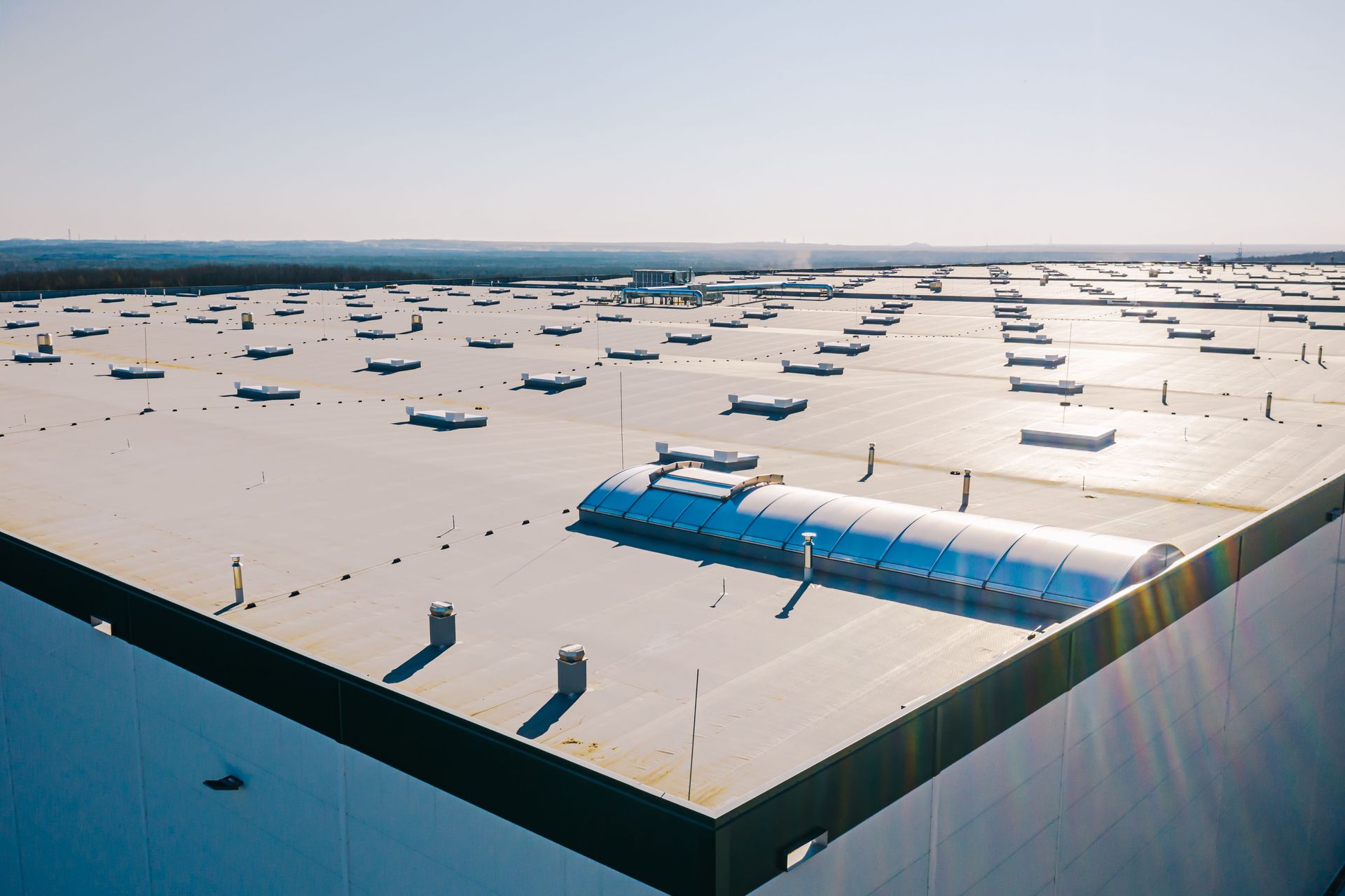
Metal roofing is generally known for its ability to withstand many common sources of roof wear, including handling harsh weather exposure and everyday environmental stress. This characteristic has made metal a popular consideration for commercial roofs, where building owners often need a dependable roofing system that can support long-term property use.
Durability can also affect the overall maintenance needs of a building. While every roofing system requires proper care and periodic inspections, a durable material may provide a longer period of useful performance. Professional roofing contractors can evaluate existing conditions and help determine whether metal roofing is appropriate for a specific property.
Reducing Long-Term Concerns
The initial cost of a roofing system is only one part of the overall investment. Building owners also have to consider maintenance, repairs, replacement timing, and the potential effects of roof problems on the rest of the property. These long-term considerations have helped increase interest in materials that can provide consistent performance.
Metal roofing can be appealing because of its long service potential. When properly selected and professionally installed, it can remain functional for many years. This can help property owners plan for the future instead of focusing only on immediate roofing costs.
For commercial roofs, long-term performance can be especially important. A roofing problem can affect building operations, stored materials, equipment, and other parts of a property. Working with a qualified roofing professional can help identify appropriate materials and address installation requirements before they become larger concerns.
Improving Energy Performance
Energy efficiency is another factor behind the growing interest in metal roofing. Roofing materials can influence how much heat a building absorbs, particularly in areas with strong sunlight and high outdoor temperatures. Metal roofing can be designed with finishes and systems that support better heat management.
Reflective surfaces can help reduce the amount of solar heat absorbed by a roof. This may contribute to more comfortable indoor conditions and potentially reduce cooling demands, depending on the building's design, insulation, ventilation, and other factors.
Energy performance is particularly relevant for larger buildings. Commercial roofs can cover substantial areas, so roofing choices may have a noticeable effect on how a building responds to outdoor temperatures. Professional evaluation can help determine which roofing approach fits the property's structure and energy goals.
Supporting Modern Designs
Metal roofing is no longer associated only with older industrial buildings or basic utility structures. Its clean appearance and variety of available styles have helped grow its popularity in modern architecture. The material can complement many different building designs without appearing out of place.
This flexibility has helped expand the appeal of metal roofing. Building owners can consider roofing materials based on both performance and appearance. A roof is a major part of a building's exterior, so its visual qualities can influence the overall character of the property.
The appearance of commercial roofs can also affect how a commercial property is perceived. A clean, well-maintained roof can contribute to a more organized and professional-looking exterior. Choosing a material that fits the building's design can support both practical and visual goals.
Handling Changing Weather
Weather patterns can put significant stress on roofing materials. Heavy rain, strong winds, heat, cold, and repeated temperature changes can all contribute to deterioration. Metal roofing has gained attention partly because of its ability to handle many common weather-related challenges.
Its strength can make it a suitable option for buildings exposed to demanding outdoor conditions. However, performance depends on proper material selection, installation, structural considerations, and regular maintenance. No roofing material is completely unaffected by severe weather, so professional evaluation remains important.
For commercial roofs, weather resistance can be especially valuable because larger buildings may have extensive roof areas exposed to the elements. A professional roofing contractor can assess the property's needs and recommend an approach based on its structure, location, and expected conditions.
Increasing Sustainability Awareness
Interest in sustainability has also influenced the roofing market. Building owners are paying closer attention to how materials are produced, used, maintained, and eventually replaced. Metal roofing can be attractive from this perspective because metal materials can often be recycled at the end of their useful life.
The potential for recycling can help reduce the amount of roofing material sent to landfills when a roof eventually reaches the end of its service life. This does not make every metal roofing system automatically sustainable, but it is one factor that can contribute to the material's environmental appeal.
Sustainability considerations can also extend to the expected service life of a roof. A material that remains functional for a long period may require fewer replacements over the life of a building. For commercial roofs, this can be an important consideration when planning long-term property improvements.
Considering Long-Term Value
The growing popularity of metal roofing reflects a broader shift toward thinking about roofing as a long-term building investment. Instead of focusing only on the initial installation, building owners are considering durability, maintenance, appearance, energy performance, and future replacement needs.
Metal roofing can offer a combination of characteristics that appeal to these priorities. Its strength, longevity, appearance, and potential energy benefits make it a material worth evaluating for many types of properties.
At the same time, every building has different requirements. Roof size, structure, climate, existing materials, drainage, insulation, and intended building use can all affect which roofing approach is appropriate. A professional assessment can provide a clearer understanding of the available options.
Preparing for Future Needs
The continued growth of metal roofing suggests that its popularity is likely to remain part of the broader roofing conversation. As building owners place more emphasis on durability, energy performance, sustainability, and long-term value, materials that address several of these concerns can become increasingly attractive.
Commercial roofs, in particular, require careful planning because their size and role can make roofing decisions more complex. Professional roofing support can help property owners evaluate current roof conditions, identify potential concerns, and plan improvements around the building's long-term needs.
Metal roofing is trending up for several practical reasons, but choosing a roofing material should still be based on the specific property rather than general popularity. Professional guidance can help property owners compare their options and select an approach that fits their building, budget, and future plans. If you are evaluating commercial roofs and want professional guidance on your next roofing project, contact Rodriguez Roofing to discuss your property's needs and available options.


Share On: